

Book Online
Please choose which location you would like to make an appointment for.
Sudden changes in your vision, significant eye pain or an eye injury should never wait for a routine appointment.
The therapeutically endorsed optometrists at Innovative Eye Care provide urgent eye assessments at our Adelaide and Henley Beach practices. We can diagnose many urgent eye conditions, begin treatment and arrange emergency ophthalmology or hospital care when required.
For urgent symptoms, call our team so we can assess how quickly you need to be seen.
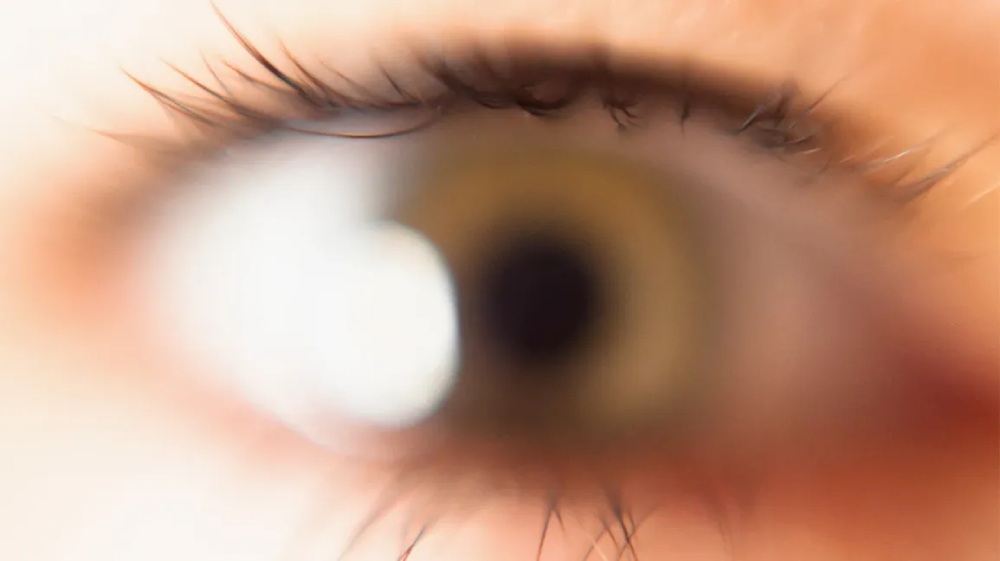
Contact us immediately if you experience:
New flashes, floaters or reduced vision can indicate a retinal tear. A retinal tear may progress to a retinal detachment if it is not identified and treated.
Sudden, painless loss of vision can also result from a blockage in the retinal circulation. Central retinal artery occlusion is considered a form of acute ischaemic stroke and requires immediate medical assessment.
If vision loss occurs with facial weakness, difficulty speaking, severe dizziness or weakness on one side of the body, call 000.
Explore Urgent Eye Conditions
Eye emergencies include sudden vision changes, significant eye pain, chemical exposure, eye injuries and foreign objects. Learn what symptoms require urgent attention and where to seek help.
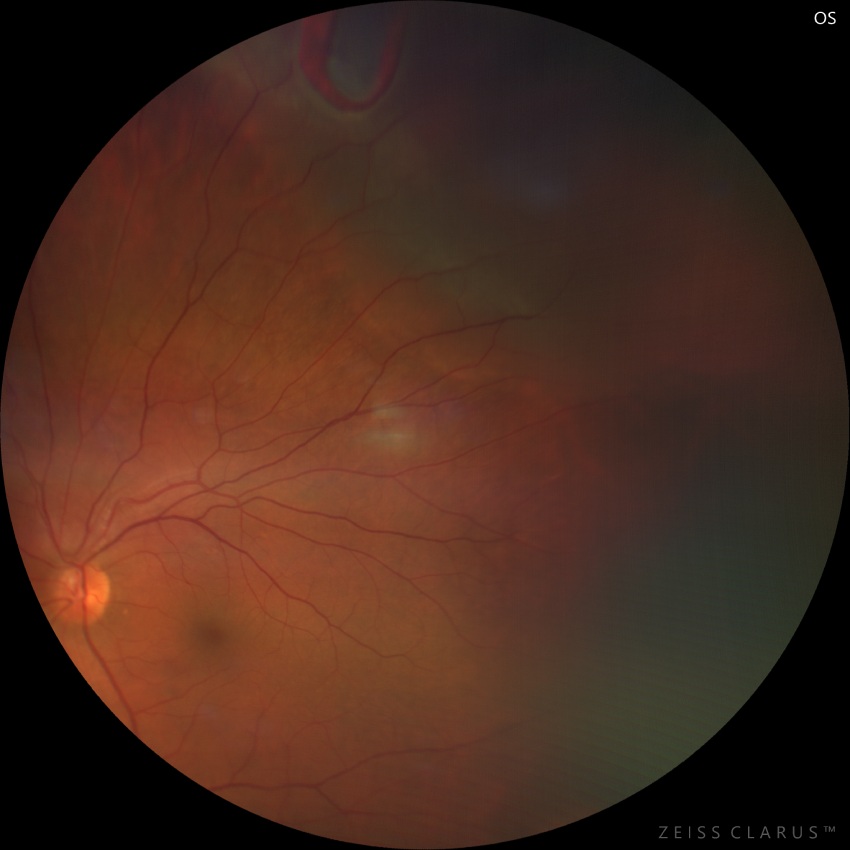
Floaters may look like dots, threads or cobwebs moving through your vision. Flashes can appear as brief streaks or bursts of light.
A sudden onset or increase in these symptoms may occur when the vitreous gel pulls away from the retina. An urgent dilated examination is needed to check for a retinal tear or detachment.
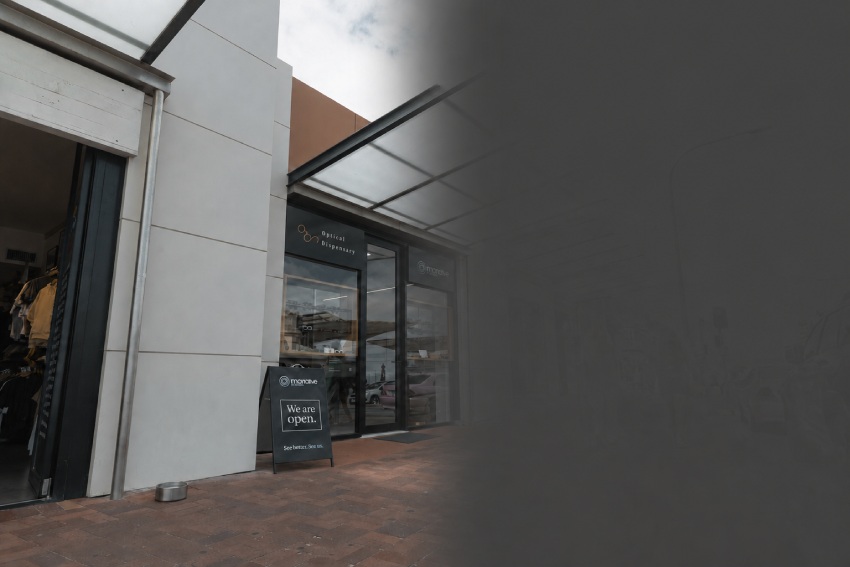
Sudden vision loss may affect all or part of your vision. It can be painful or painless and may result from a retinal problem, interruption to the eye’s blood supply, inflammation, glaucoma or a neurological condition.
Any sudden loss or dimming of vision requires immediate assessment. Some causes are time-sensitive and may also indicate a wider medical emergency.
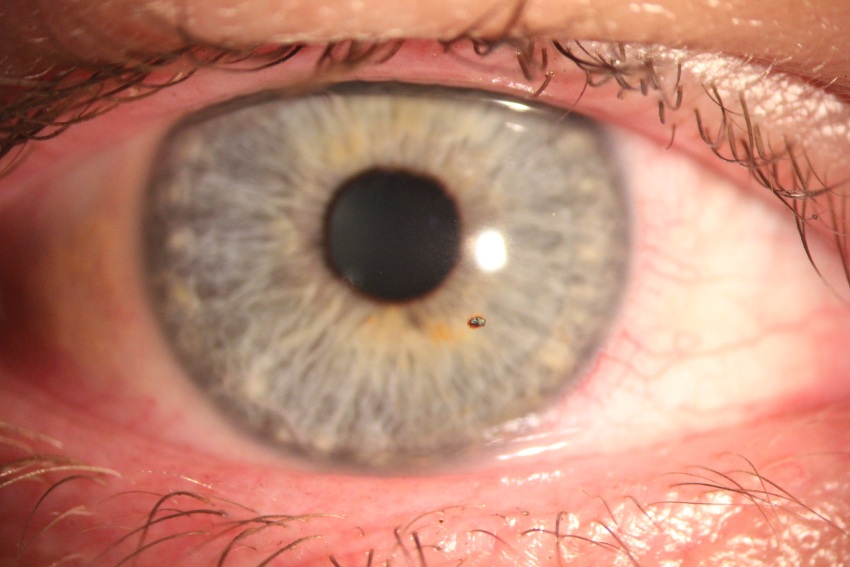
Scratches, blunt trauma, embedded objects and chemical exposure can damage the cornea or deeper structures of the eye.
Penetrating injuries can cause severe vision loss and require emergency hospital management.
Chemical exposure requires immediate irrigation. Begin rinsing the eye with clean water immediately, then seek emergency care. Do not delay irrigation while waiting to speak with a health professional.
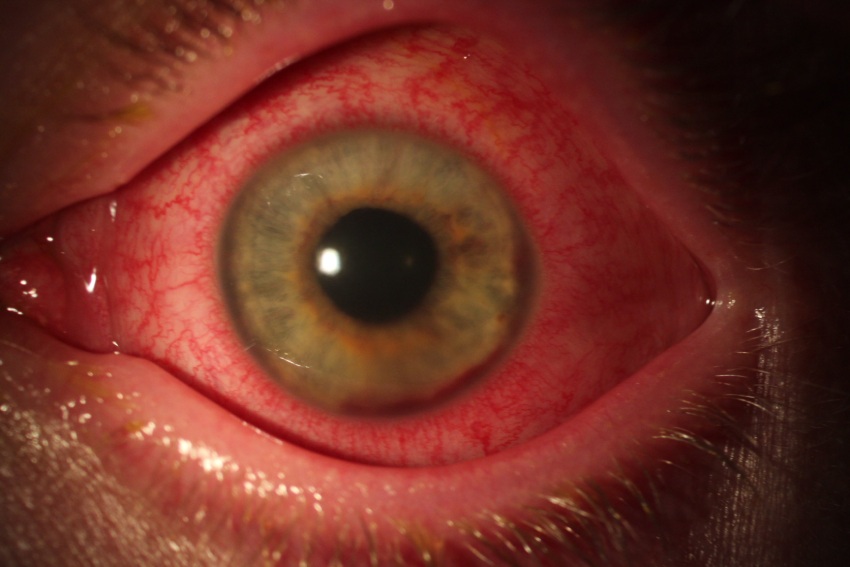
Acute angle-closure glaucoma causes a rapid rise in pressure inside the eye. Symptoms can include severe eye pain, blurred vision, a red eye, coloured halos around lights, headache, nausea and vomiting.
This condition can permanently damage vision and requires treatment on the day symptoms begin.
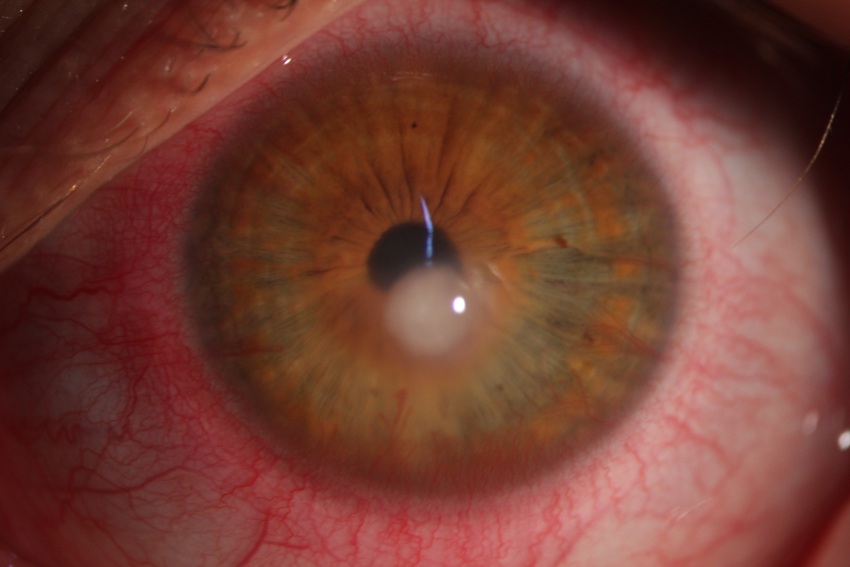
Many red eyes are caused by relatively mild conditions. However, redness with pain, blurred vision, light sensitivity or significant discharge requires prompt assessment.
Important causes include:
Infectious keratitis can damage the cornea and threaten vision. Contact lens wear and eye injuries are important risk factors.
If you wear contact lenses and develop pain, redness, light sensitivity or blurred vision, remove your lenses and seek urgent assessment. Do not resume lens wear until your optometrist advises that it is safe.
Link: Red Eye Conditions
Your optometrist will ask about your symptoms, when they started and whether you have experienced an injury or chemical exposure.
Your examination may include:
Depending on the diagnosis, we may prescribe treatment, arrange a review or refer you urgently to an ophthalmologist or hospital emergency department.
For urgent eye symptoms, call us directly. This allows our team to assess your symptoms and arrange the most appropriate care.
Adelaide, Wakefield Street
Phone: (08) 8231 9341
Henley Beach
Phone: (08) 8445 9050
Link: Clinic locations and contact details
Outside our opening hours, attend a hospital emergency department if you have sudden vision loss, severe pain, a chemical injury, penetrating trauma or rapidly worsening symptoms.