Keratoconus Surgery in Adelaide

Keratoconus surgery can help stabilise the cornea, improve vision, or reduce the need for a corneal transplant.

At Innovative Eye Care, we do not perform keratoconus surgery in-house. Our role is to assess your cornea, monitor progression, improve your vision with specialty contact lenses, and refer you to the right ophthalmologist when surgery may be needed.

We also provide ongoing care before and after surgery, including corneal imaging, scleral lens fitting, contact lens optimisation, and shared care with your surgeon.
Book a keratoconus assessment
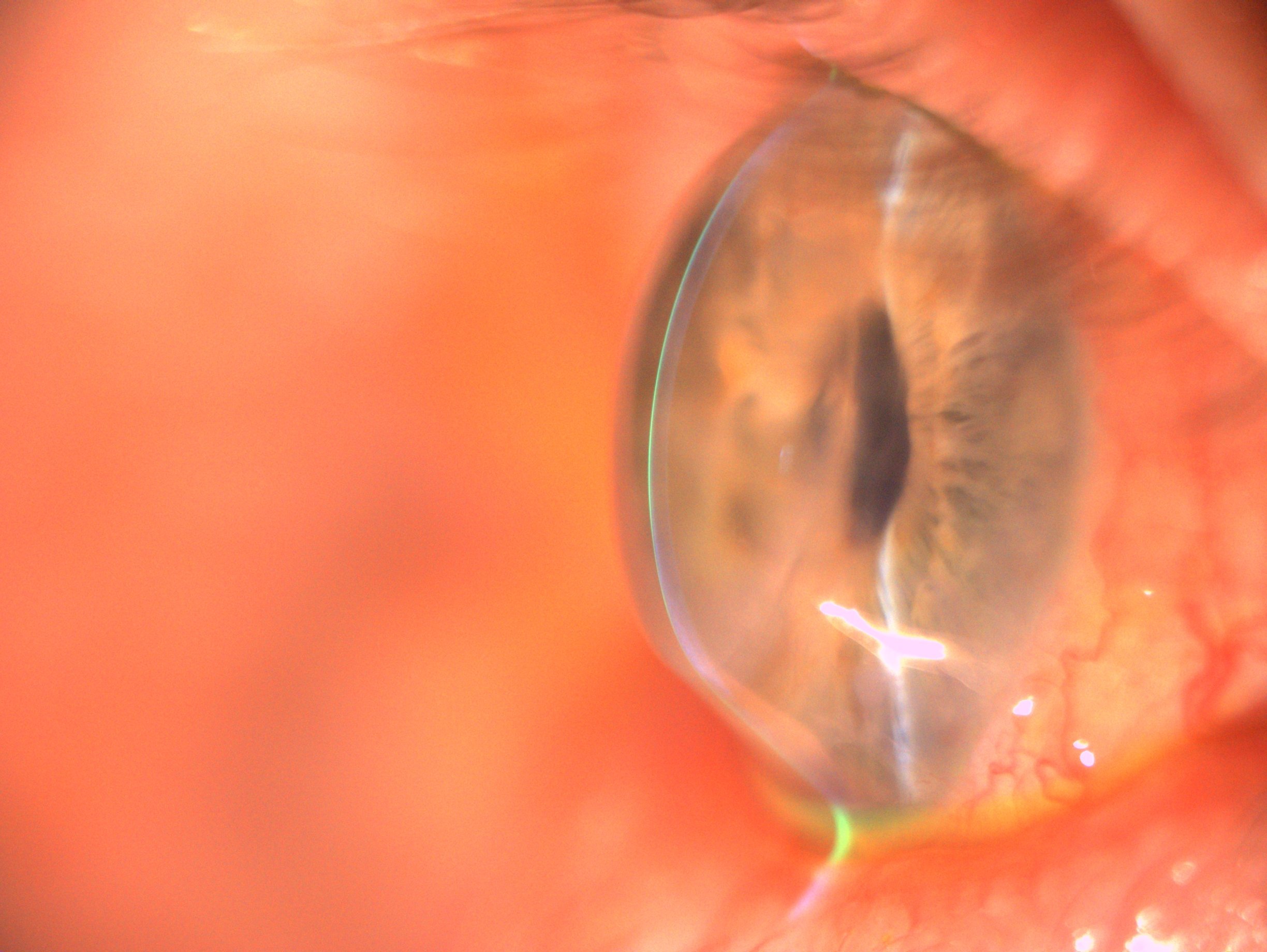
Side view of corneal graft after keratoconus surgery
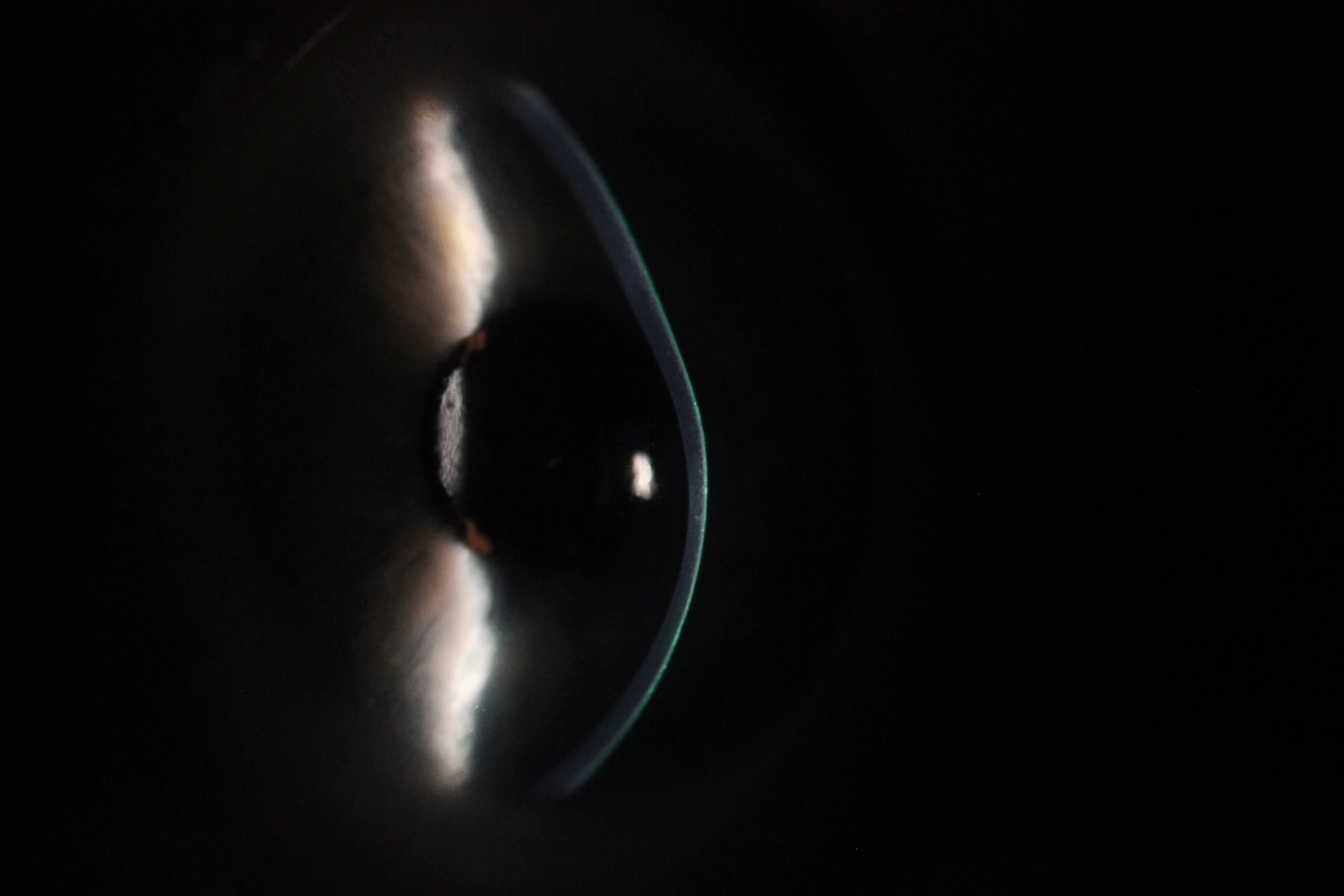
Side view slit lamp image showing advanced keratoconus with cone-shaped cornea

When is Keratoconus Surgery Needed?

Most people with keratoconus do not need a corneal transplant.

Surgery may be considered when:

  • Your keratoconus is getting worse
  • Your cornea is becoming thinner or steeper
  • Glasses no longer provide clear vision
  • Soft contact lenses no longer work well
  • Rigid or scleral lenses are uncomfortable or no longer provide enough vision
  • There is corneal scarring
  • Your surgeon recommends treatment to stabilise the cornea

The right option depends on your age, rate of progression, corneal thickness, vision, contact lens tolerance, and corneal health.
Types of Keratoconus Surgery

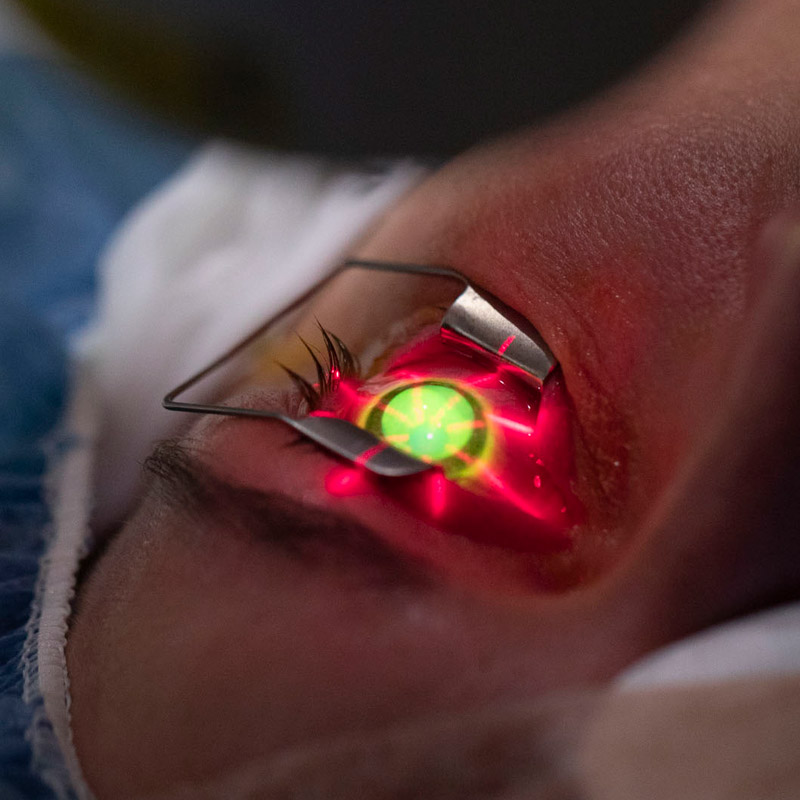
Corneal cross-linking treatment for keratoconus

Corneal Cross-Linking

Corneal cross-linking, also called CXL, is often the first surgical treatment considered for progressive keratoconus.1,2

Its main goal is to strengthen the cornea and slow or stop progression. It is not mainly designed to remove your need for glasses or contact lenses.

During CXL, riboflavin eye drops and ultraviolet light are used to strengthen collagen bonds in the cornea. This can help reduce the risk of further corneal weakening.

CXL is most useful when progression is detected early. This is why regular monitoring with corneal imaging matters.3

You may still need glasses, rigid lenses, or scleral lenses after cross-linking to achieve your best vision.4
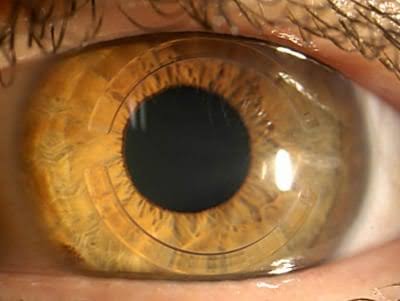
INTACS corneal ring segments for keratoconus treatment

Intracorneal Ring Segments

Intracorneal ring segments, sometimes called ICRS, are small, curved implants placed within the cornea.5,6

They aim to reshape the cornea and improve the regularity of the corneal surface. They may improve vision in selected patients, especially when contact lenses are not tolerated.7

ICRS do not stop keratoconus progression. If the condition is still progressing, cross-linking may also be considered.

ICRS are not suitable for every eye. Suitability depends on corneal thickness, corneal shape, scarring, and the severity of keratoconus.
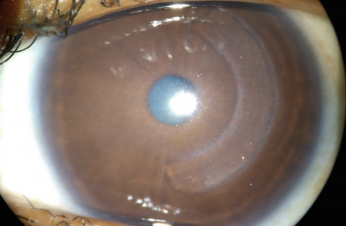
CAIRS corneal ring segment for keratoconus treatment

CAIRS

Corneal Allogenic Intrastromal Ring Segments, also known as CAIRS, is a newer type of corneal ring procedure that uses donor corneal tissue rather than synthetic ring material.6

It may offer advantages in selected cases, but it is still an emerging treatment. Your ophthalmologist can advise whether it is suitable, available, and appropriate for your eye.
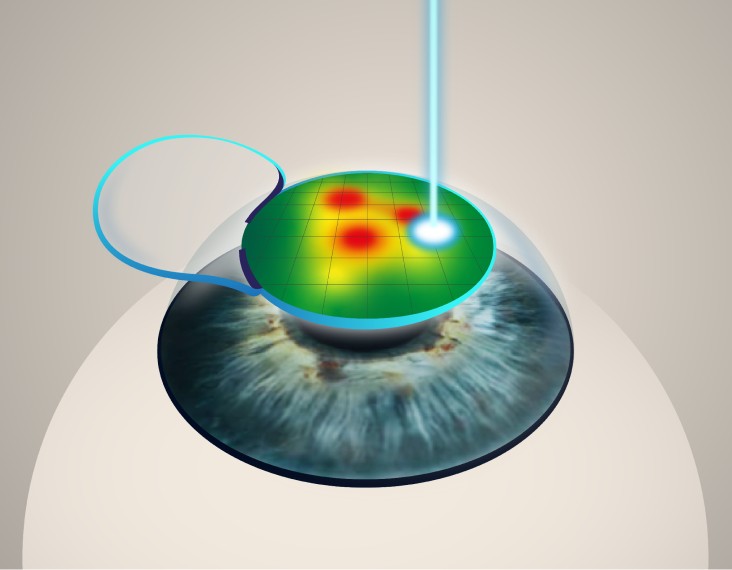
Topography-guided PRK treatment map for keratoconus

Topography-Guided Laser Treatment with Cross-Linking

Some patients may be considered for laser-based treatment combined with CXL.8,9

This is not the same as standard laser eye surgery for short-sightedness. In keratoconus, the aim is usually to reduce irregularity and improve the quality of vision, rather than fully remove a prescription.

This option requires careful case selection because laser treatment removes corneal tissue, and keratoconus corneas are already thin.
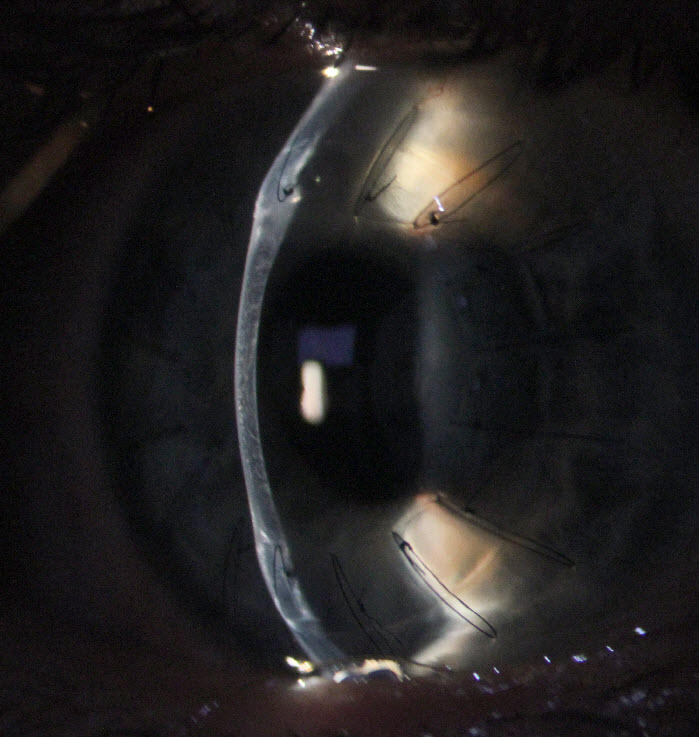
Corneal graft with sutures after keratoconus surgery

Corneal Transplant

A corneal transplant, or keratoplasty, is usually reserved for advanced keratoconus.10,11

It may be considered when vision cannot be improved enough with glasses or contact lenses, when contact lenses cannot be tolerated, or when there is significant corneal scarring.

There are two main transplant types used for keratoconus:
  • Deep anterior lamellar keratoplasty, or DALK, replaces the front layers of the cornea while keeping the patient’s own inner corneal layer where possible.12
  • Penetrating keratoplasty, or PK, is a full-thickness corneal transplant.
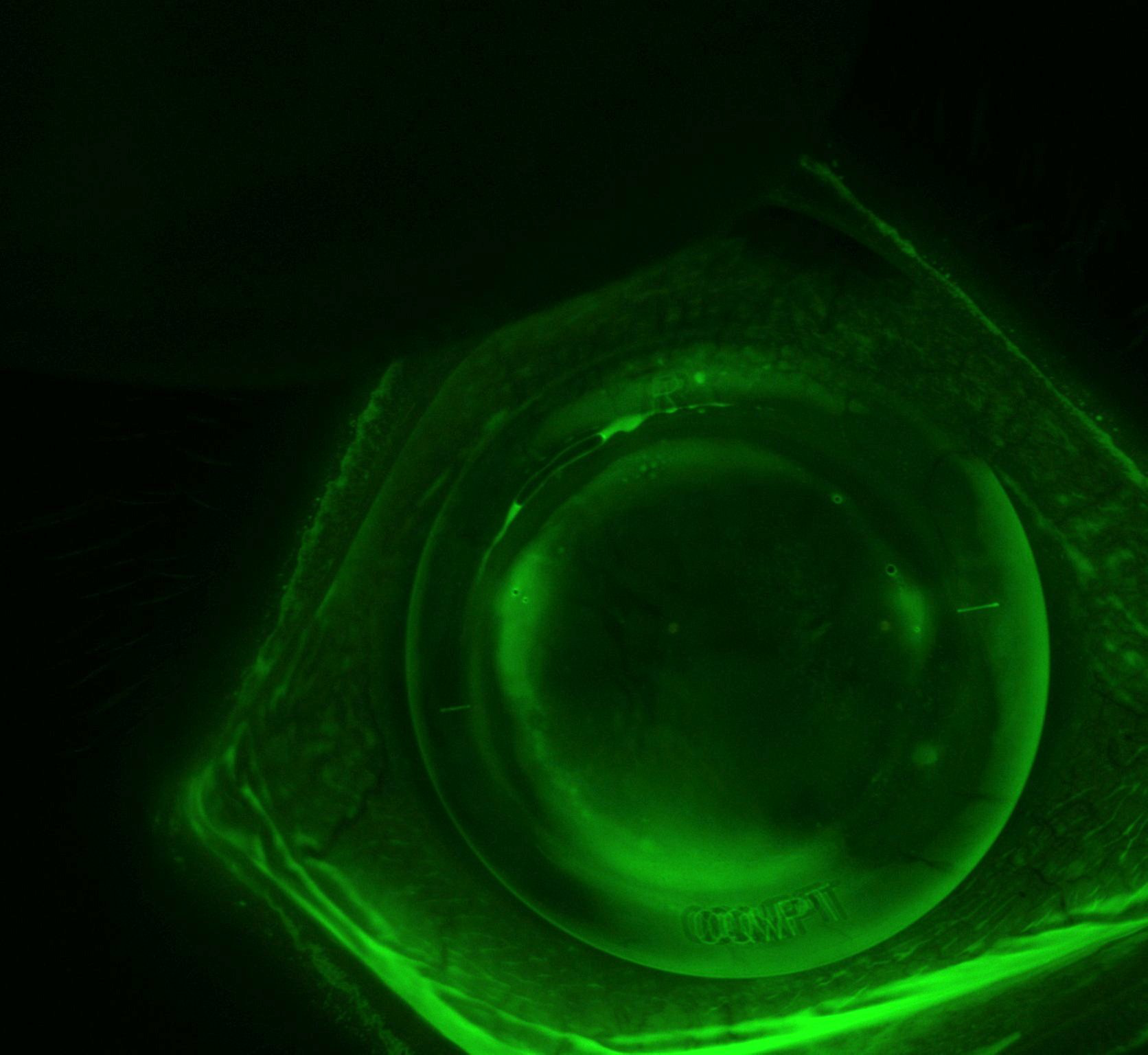
Scleral lens assessment with fluorescein after keratoconus surgery

Will Surgery Fix My Vision?

Keratoconus surgery can help stabilise the cornea or improve its shape, but it does not always remove the need for glasses or contact lenses.

Many patients still need visual rehabilitation after surgery. This may include:

  • Glasses
  • Rigid gas permeable lenses
  • Hybrid contact lenses
  • Scleral lenses
  • Custom soft lenses

Scleral lenses are often helpful after keratoconus surgery because they vault over the cornea and create a smooth optical surface. At Innovative Eye Care, we fit scleral lenses for keratoconus and corneal grafts, where the cornea may be irregular or compromised.

Learn more about scleral contact lenses
Innovative Eye Care clinic in Adelaide for keratoconus diagnosis and management

Our Role Before Keratoconus Surgery

Before surgery is considered, accurate assessment is essential.

At Innovative Eye Care, we can help by:
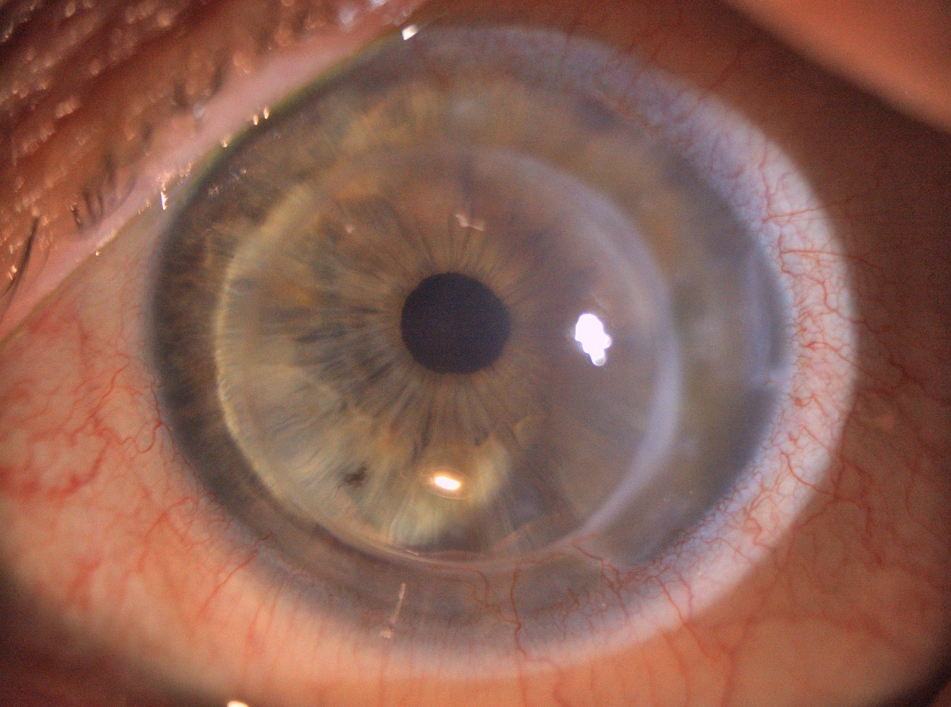
  • Measuring your vision and prescription
  • Mapping your corneal shape
  • Monitoring corneal thinning and steepening
  • Assessing contact lens vision
  • Checking whether specialty lenses can improve your vision
  • Identifying signs of progression
  • Preparing referral information for your ophthalmologist
  • Explaining your likely care pathway
Read more about keratoconus diagnosis and treatment
Front view of corneal graft after keratoconus surgery

Our Role After Keratoconus Surgery

After surgery, your care often continues for months or years.

We can help with:

  • Post-surgical corneal imaging
  • Vision assessment
  • Contact lens refitting
  • Scleral lens fitting
  • Monitoring corneal shape changes
  • Ocular surface care
  • Communication with your ophthalmologist
  • Long-term vision support
Innovative Eye Care clinic in Adelaide for keratoconus diagnosis and management

Why Early Treatment Matters

Keratoconus care has changed.

Australian data shows corneal grafts for keratoconus decreased from 3170 in 2001 to 2010 to 2797 in 2011 to 2020.13 This shift coincided with increased use of corneal cross-linking and rigid or scleral contact lenses.13

The same Australian study found that CXL use increased after it was added to Medicare in 2018, and that CXL was most common in people aged 15 to 24 years.

This supports a modern treatment approach:
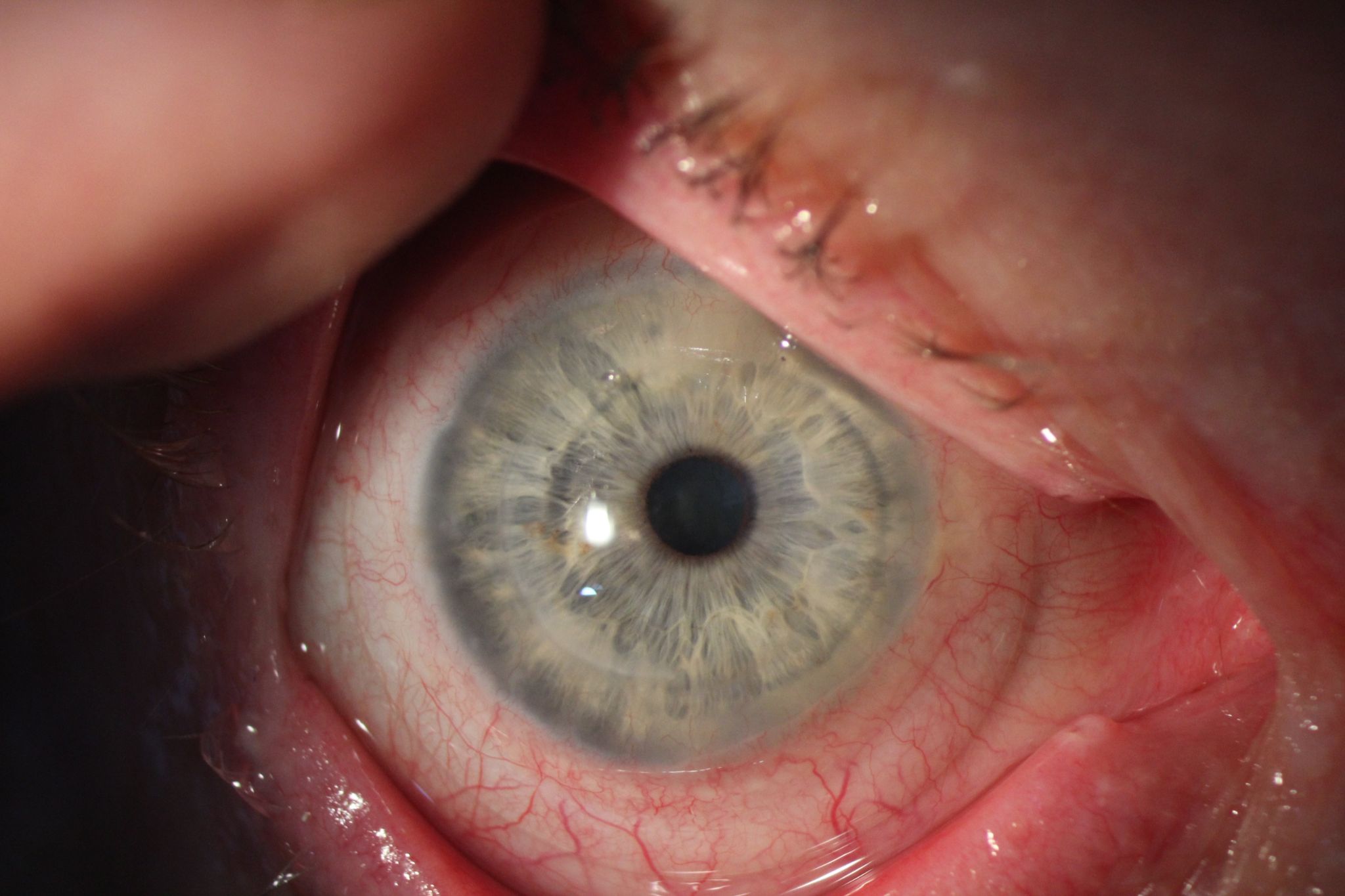
  • Detect keratoconus early
  • Monitor for progression
  • Refer for CXL when needed
  • Use specialty contact lenses to improve vision
  • Reserve corneal transplant for advanced cases
Scleral lens fitted over corneal graft after keratoconus surgery

Keratoconus Surgery and Contact Lenses

Keratoconus surgery and contact lenses are not either-or options. They often have different jobs.

  • Cross-linking helps stabilise the cornea.
  • Corneal ring procedures may help reshape the cornea in selected cases.
  • A corneal transplant may help when the cornea is very scarred or irregular.
  • Specialty contact lenses help improve the quality of vision.

Rigid and scleral lenses can give clearer vision by masking the irregular shape of the cornea.14 They do not stop keratoconus from progressing, so regular monitoring is still important.

Innovative Eye Care clinic in Adelaide for keratoconus diagnosis and management

What to Expect at your Keratoconus Surgery Assessment

Your appointment may include:

  • A detailed history of your vision and symptoms
  • Review of previous scans or surgical reports
  • Measurement of your prescription and best-corrected vision
  • Corneal topography or tomography
  • Assessment of corneal thickness and shape
  • Contact lens assessment where needed
  • Discussion of whether referral is appropriate
  • A clear plan for monitoring, contact lenses, or shared care

Bring any previous corneal scans, ophthalmology letters, or contact lens details if you have them.

Innovative Eye Care clinic in Adelaide for keratoconus diagnosis and management

Book a Keratoconus Surgery Assessment in Adelaide

If you have been told you may need keratoconus surgery, or if you want a second opinion on your management options, book an assessment with Innovative Eye Care.

We can help you understand your current corneal health, whether your keratoconus appears stable or progressive, and whether ophthalmology referral is needed.

Book a keratoconus assessment

Frequently Asked Questions

Can keratoconus be cured with surgery?
Keratoconus surgery can stabilise the cornea or improve vision, but it does not always cure the condition or remove the need for glasses or contact lenses. Many patients still need specialty lenses after surgery.
Is corneal cross-linking the same as laser eye surgery?
No. Corneal cross-linking aims to strengthen the cornea and slow or stop progression. Standard laser eye surgery reshapes the cornea to reduce prescription. Some selected keratoconus cases may involve laser treatment combined with CXL, but this needs specialist assessment.
Do I need a corneal transplant for keratoconus?
Most people with keratoconus do not need a corneal transplant. Transplant is usually reserved for advanced disease, significant scarring, poor contact lens tolerance, or vision that cannot be improved enough with other options.
Will I still need contact lenses after keratoconus surgery?
You may. CXL can stabilise keratoconus, but it may not correct irregular vision. Many patients still need rigid or scleral lenses for their clearest vision.
Can Innovative Eye Care refer me for keratoconus surgery?
Yes. We can assess your cornea, monitor progression, optimise your contact lenses, and refer you to an ophthalmologist if surgery may be appropriate.

References

  1. Wittig-Silva C, Chan E, Islam FM, Wu T, Whiting M, Snibson GR. A randomized, controlled trial of corneal collagen cross-linking in progressive keratoconus: three-year results. Ophthalmology. 2014;121(4):812-821.
  2. Sykakis E, Karim R, Evans JR, et al. Corneal collagen cross-linking for treating keratoconus. Cochrane Eyes and Vision Group, ed. Cochrane Database of Systematic Reviews. Published online March 24, 2015. doi:10.1002/14651858.CD010621.pub2
  3. Antoun J, Slim E, El Hachem R, et al. Rate of corneal collagen crosslinking redo in private practice: risk factors and safety. J Ophthalmol. 2015;2015:690961. doi:10.1155/2015/690961
  4. Hersh PS, Greenstein SA, Fry KL. Corneal collagen crosslinking for keratoconus and corneal ectasia: One-year results. J Cataract Refract Surg. 2011;37(1):149-160. doi:10.1016/j.jcrs.2010.07.030
  5. Hayat UK, Shiwani HA, Memon D, Walkden A. Intracorneal Ring Segments in Keratoconus: A Narrative Literature Review. Clin Ophthalmol. 2025;19:2249-2257. doi:10.2147/OPTH.S520174
  6. Gomes JAP, Hafezi F, Ambrósio R, et al. Global Consensus on Keratoconus and Ectatic Diseases—Edition 2. 2026;45(7).
  7. Vega-Estrada A, Alio JL. The use of intracorneal ring segments in keratoconus. Eye Vis (Lond). 2016;3:8. doi:10.1186/s40662-016-0040-z
  8. Niazi S, Alio del Barrio J, Sanginabadi A, et al. Topography versus non-topography-guided photorefractive keratectomy with corneal cross-linking variations in keratoconus. Int J Ophthalmol. 2022;15(5):721-727. doi:10.18240/ijo.2022.05.05
  9. Dai Z, Liu Z, Zhang Y, et al. Topography-guided photorefractive keratectomy combined with accelerated corneal collagen cross-linking versus cross-linking alone for progressive keratoconus: a long-term prospective cohort study. Front Med. 2024;11. doi:10.3389/fmed.2024.1420264
  10. Song Y, Zhang J, Pan Z. Systematic Review and Meta-Analysis of Clinical Outcomes of Penetrating Keratoplasty Versus Deep Anterior Lamellar Keratoplasty for Keratoconus. Exp Clin Transplant. 2020;18(4):417-428. doi:10.6002/ect.2019.0123
  11. Keane M, Coster D, Ziaei M, Williams K. Deep anterior lamellar keratoplasty versus penetrating keratoplasty for treating keratoconus. Cochrane Database Syst Rev. 2014;2014(7):CD009700. doi:10.1002/14651858.CD009700.pub2
  12. Pellegrini M, Yu AC, Busin M. Deep anterior lamellar keratoplasty for keratoconus: Elements for success. Saudi J Ophthalmol. 2022;36(1):36-41. doi:10.4103/sjopt.sjopt_100_21
  13. Kha R, Kandel H, Watson S. Trends in the Management of Keratoconus in Australia. Ophthalmic Physiol Opt. 2026;46(2):135-142. doi:10.1007/s44402-026-00096-2
  14. Barnett M, Mannis MJ. Contact Lenses in the Management of Keratoconus. Cornea. 2011;30(12):1510-1516. doi:10.1097/ICO.0b013e318211401f

Speak to our friendly team today

Book your appointment now for personalised eye care tailored just for you.