

Book Online
Please choose which location you would like to make an appointment for.
Wake up to clear daytime vision without wearing glasses or contact lenses during the day.
Orthokeratology, often called Ortho-K or night lenses, uses custom rigid contact lenses worn while you sleep. The lenses temporarily reshape the clear front surface of your eye, called the cornea. You remove them in the morning and the corrected corneal shape provides clearer vision throughout the day.1
Ortho-K can correct short-sightedness in children and adults. It can also help slow the progression of myopia in children.2,3
At Innovative Eye Care, we design custom Ortho-K lenses using detailed corneal imaging and EyeSpace software. Our optometrists provide Ortho-K consultations at our Adelaide and Henley Beach practices.
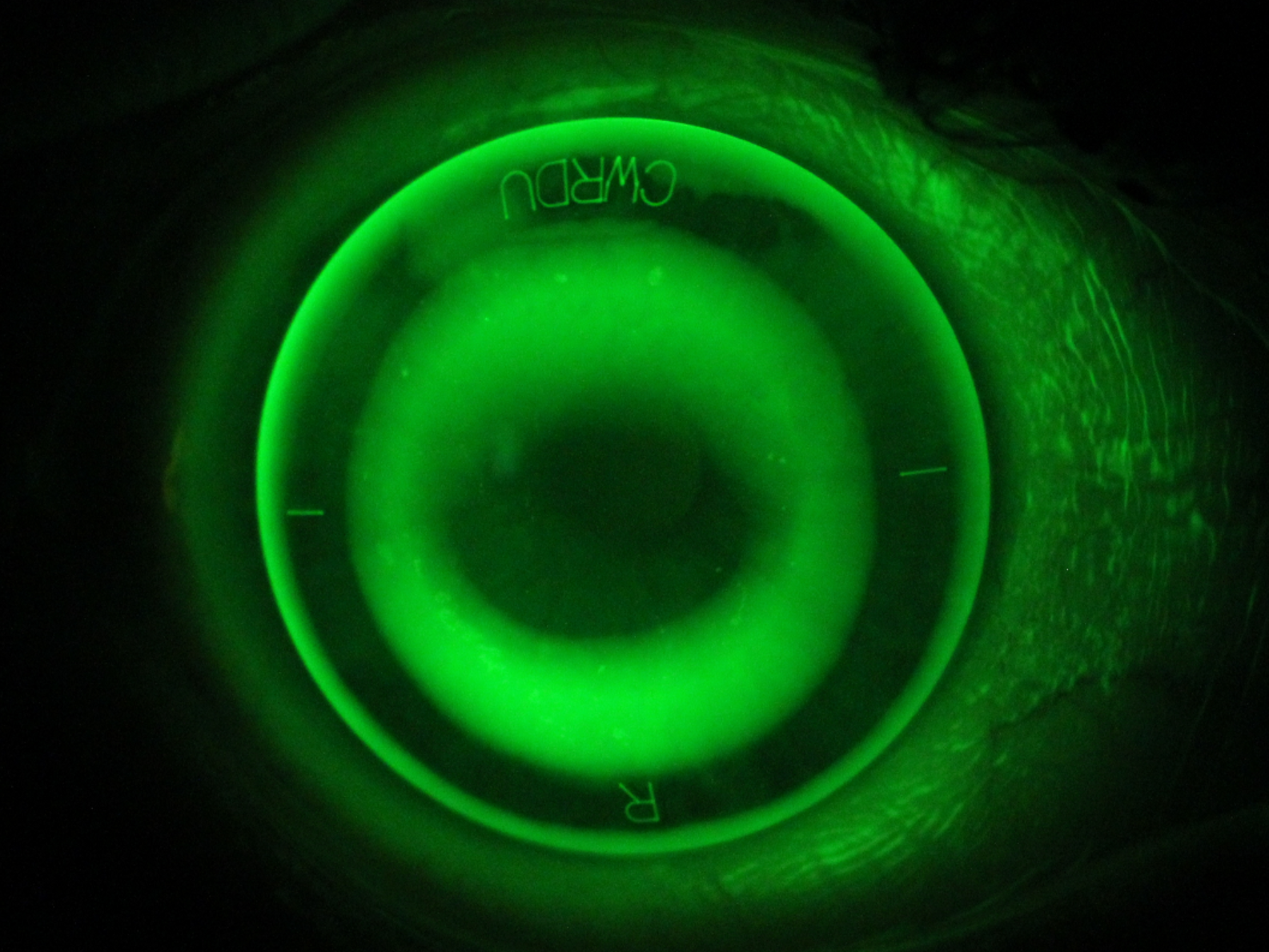
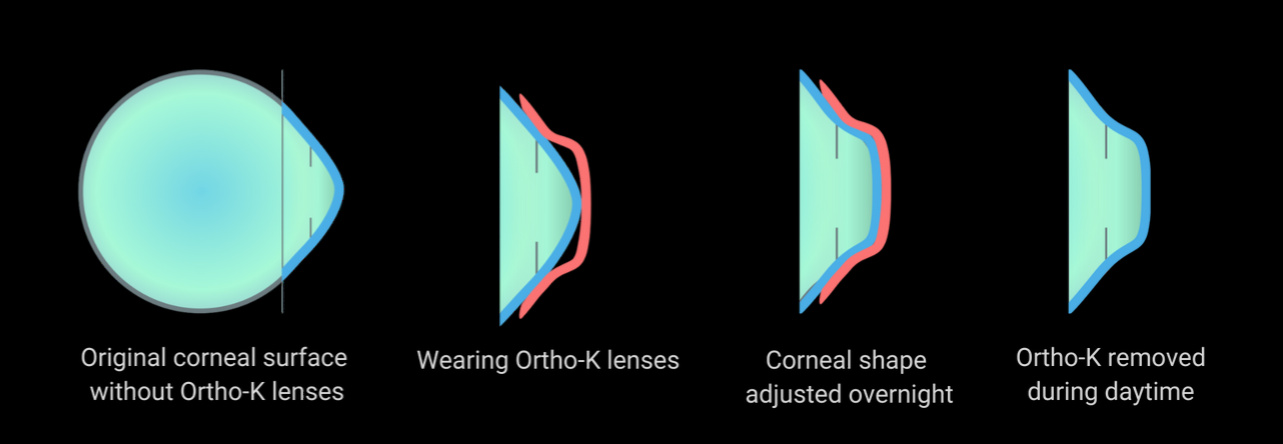
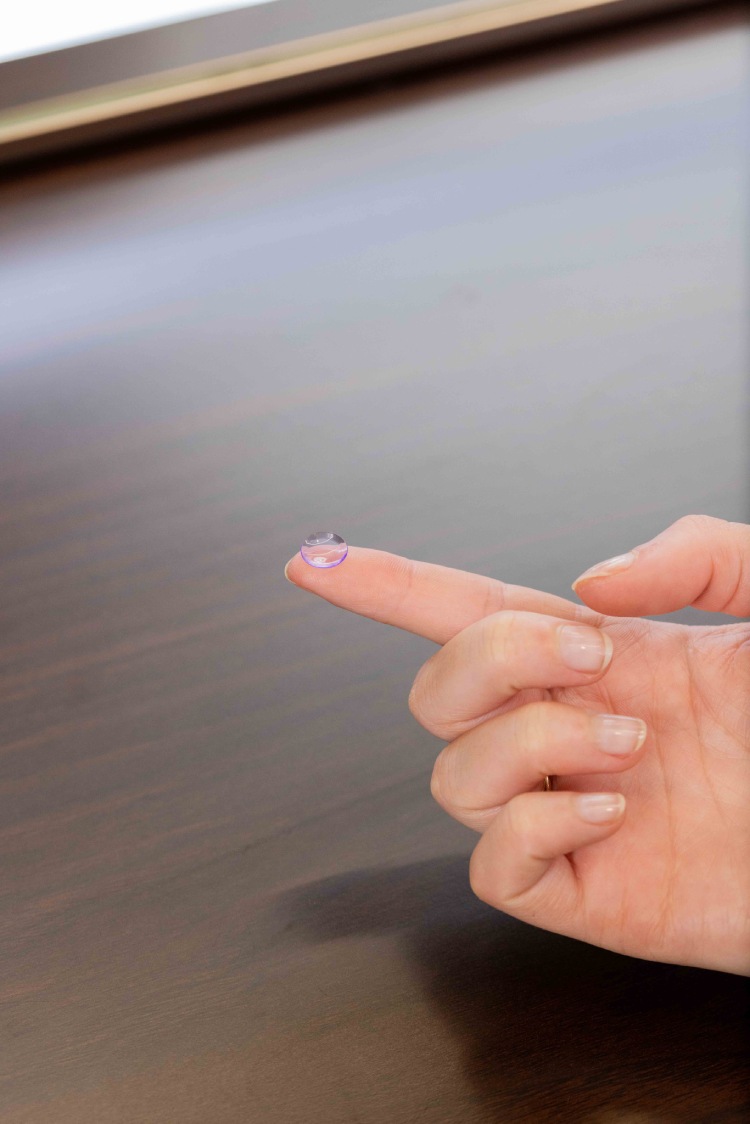
Ortho-K lenses are specially designed, oxygen-permeable rigid contact lenses worn overnight. They sit on the tear layer over your cornea and create a controlled, temporary change in its shape.
For short-sightedness, the treatment flattens the centre of the cornea so light focuses more accurately on the retina. After removing the lenses in the morning, many people can see clearly without glasses or contact lenses during the day.
Ortho-K is non-surgical and reversible. If you stop wearing the lenses, your cornea gradually returns towards its original shape and your unaided vision returns to its previous level.
Ortho-K may suit children, teenagers and adults who:
Ortho-K is not suitable for every eye. Your optometrist will assess your prescription, corneal shape, tear film, eye health, lifestyle and ability to manage the lenses safely.
Myopia, or short-sightedness, often develops during childhood as the eye grows too long. Higher levels of myopia are linked with a greater lifetime risk of retinal detachment, myopic maculopathy, glaucoma and cataract.4
Ortho-K is one of several evidence-based options used to slow childhood myopia progression. Clinical studies show that children wearing Ortho-K lenses generally have less axial eye growth than children wearing standard single vision glasses.2,3
Ortho-K does not cure myopia or stop progression in every child. The response varies, so regular monitoring remains important. We use prescription testing and ocular biometry to measure changes in vision and eye length over time.

Clear vision during the day
You remove the lenses after waking, leaving your eyes free from glasses and contact lenses during school, work, sport and other daytime activities.
Custom lens design
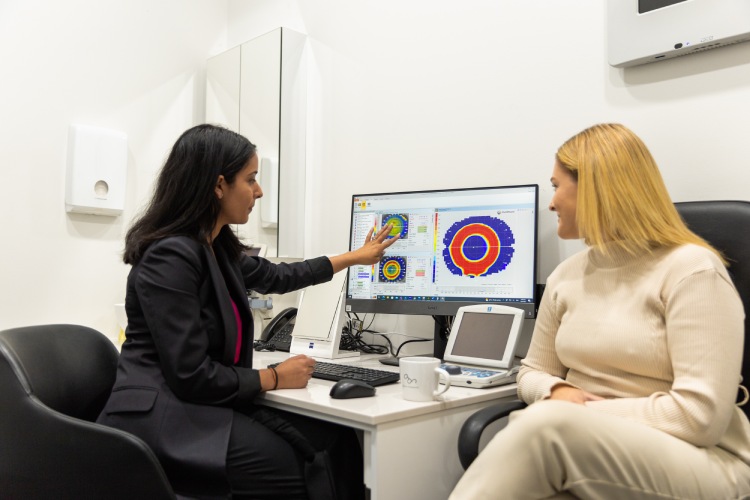
We use corneal topography and tomography to map the shape of your eyes. These measurements guide the design of a custom lens for each eye.
Learn more about corneal topography
Childhood myopia control
For suitable children, Ortho-K can correct blurred distance vision while helping to slow excessive eye growth.2,3
Non-surgical and reversible
Ortho-K does not permanently change the eye. If you stop treatment, the effect gradually wears off.
Useful for active lifestyles
Daytime freedom from glasses and contact lenses can help with sport, swimming and work in dusty environments. The Ortho-K lenses must still be kept away from tap, pool, spa and shower water.
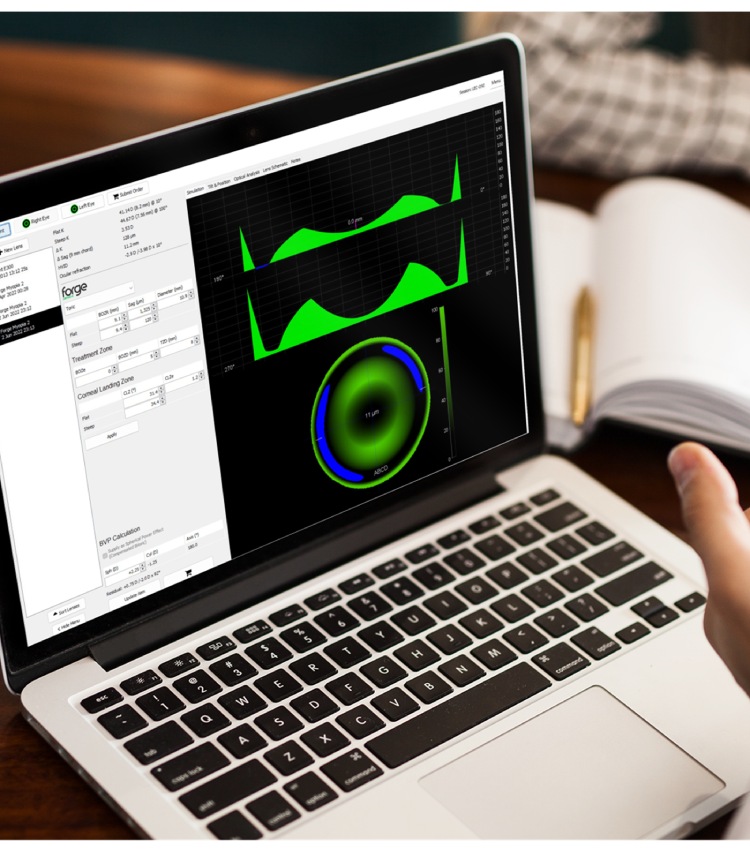
Every cornea has a different shape. We use advanced imaging to measure the front of your eye, then design each lens around your corneal shape, prescription and visual goals.
Our optometrists use EyeSpace lens design software and Forge Ortho-K lenses. This technology allows us to simulate and refine the lens design using your eye measurements before the lens is manufactured. Follow-up corneal maps show how your eyes respond and help us fine-tune the fit when needed.
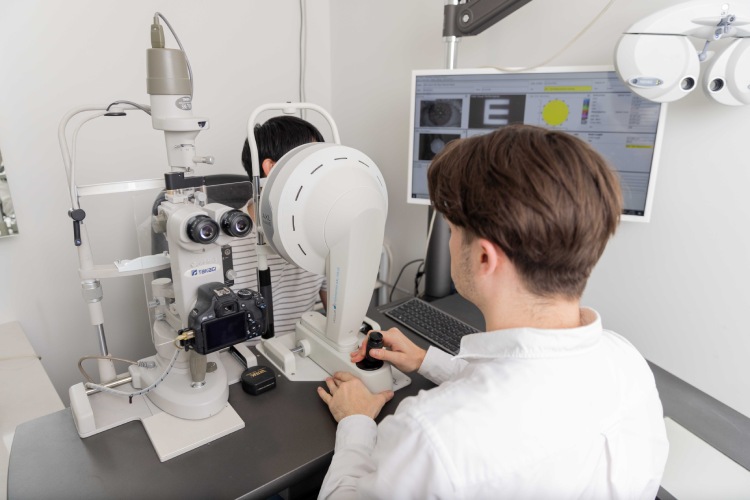
Your optometrist determines whether Ortho-K is suitable for you. The assessment may include:

If your eyes are suitable, we use your measurements to design and order a custom lens for each eye.
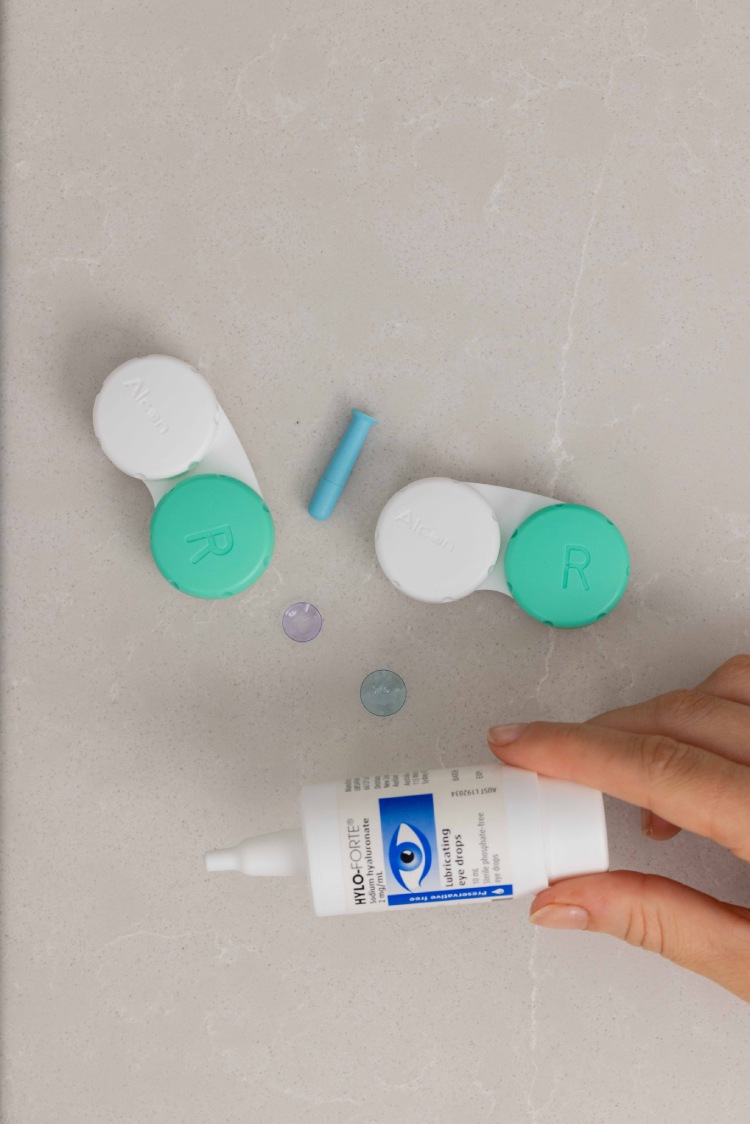
We check the lenses on your eyes and teach you how to insert, remove, clean, disinfect and store them. We also explain the symptoms that mean you should stop lens wear and contact us.
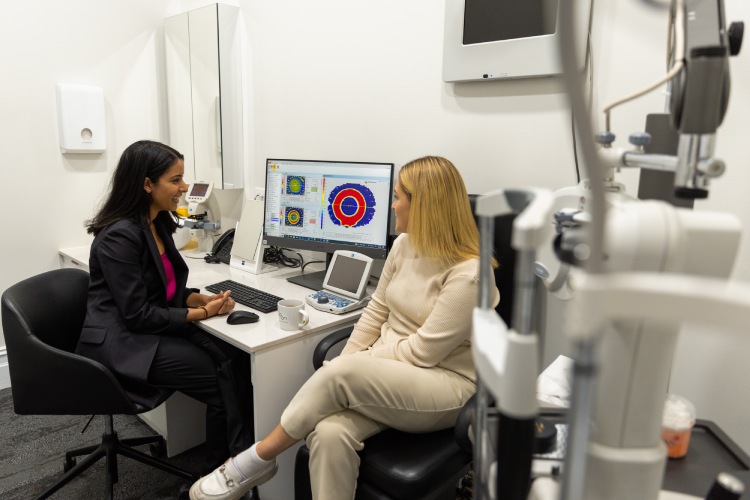
You wear the lenses overnight, remove them after waking and attend your review. We check your unaided vision, prescription, corneal shape, lens response and eye health.
Your vision may not be fully corrected after the first night. You may need someone to drive you to this appointment.

Further reviews allow us to monitor:
Ortho-K is an ongoing treatment. Regular reviews help maintain clear vision, a healthy lens fit and safe wear.
Many people notice clearer vision after the first night. Lower prescriptions may stabilise within about one week. Higher prescriptions can take two to four weeks and may need further lens adjustments.
Your vision may fluctuate during the first few days. Temporary glasses or soft contact lenses may help while the effect stabilises.
Most people wear their Ortho-K lenses every night. Some can wear them less often once their vision is stable, but this depends on their prescription, corneal response and visual needs.
If you miss one or more nights, the treatment effect gradually fades and your distance vision becomes blurrier.

Ortho-K can be worn safely when the lenses are fitted carefully, cleaned correctly and reviewed regularly. Like all contact lenses, they carry a risk of infection and inflammation. Overnight wear makes careful hygiene especially important.5,6
To reduce risk:
Serious infection is uncommon, but it requires urgent care. Research has estimated the risk of microbial keratitis with overnight corneal reshaping lenses at a rate similar to other established overnight contact lens modalities.5
Read our Ortho-K lens care guideAdults may choose Ortho-K for clear daytime vision without glasses, soft contact lenses or laser eye surgery. It can suit people involved in sport, outdoor work, shift work or environments where daytime lenses are inconvenient.
Suitability depends on your prescription, corneal shape, tear film and eye health. Ortho-K corrects distance vision, but adults who develop presbyopia may still need help with near tasks. Your optometrist can discuss the available options.
Children can wear Ortho-K when their eyes are suitable and they can manage lens care with help from a parent or carer.
We teach both the child and parent how to handle and clean the lenses. We also schedule regular reviews to monitor eye health, vision and axial eye growth.
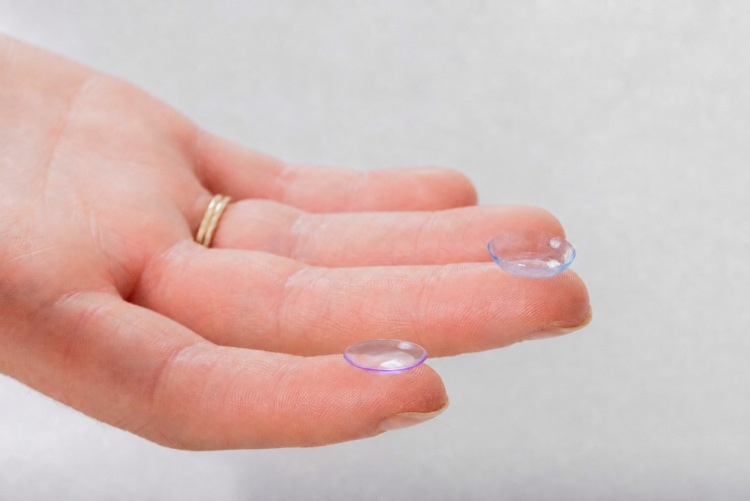
Soft contact lenses are worn while you are awake. Ortho-K lenses are worn while you sleep and removed in the morning.
Daytime soft lenses may suit people who want straightforward vision correction. Ortho-K may suit those who want lens-free daytime vision or an overnight option for childhood myopia control. The best choice depends on your eyes, lifestyle and ability to care for the lenses.

Ortho-K is a customised fitting process. At your consultation, we will explain:
As Ortho-K lenses are custom-made medical devices, payment is required before we order them.
Innovative Eye Care provides custom Ortho-K fitting and ongoing care at:
Book your appointment now for personalised eye care tailored just for you.