

Book Online
Please choose which location you would like to make an appointment for.
Are your eyes dry, gritty, watery or intermittently blurry?
Meibomian gland dysfunction, often shortened to MGD, is a common eyelid condition that can make the tears evaporate too quickly. At Innovative Eye Care, our therapeutic optometrists assess and manage MGD at our Adelaide and Henley Beach practices. We look beyond temporary symptom relief to identify how your eyelid glands, tear film and ocular surface are working together.

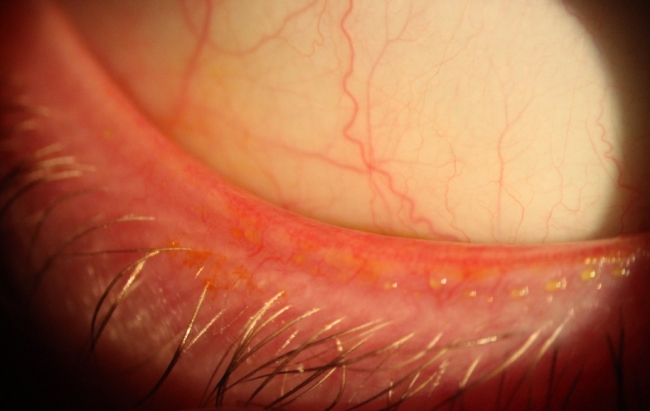
The meibomian glands are rows of small oil-producing glands inside the upper and lower eyelids. Each blink spreads their oil, called meibum, across the tears. This oily layer slows tear evaporation and helps keep vision clear and the eyes comfortable.
With MGD, the gland openings may become blocked or the oil may become too thick or poor in quality. The tear film can then break up too quickly, leading to irritation, inflammation and evaporative dry eye disease. MGD is a chronic, diffuse abnormality of the meibomian glands and commonly involves duct obstruction or changes in gland secretion

MGD can affect each person differently. Common symptoms include:
These symptoms overlap with allergy, infection, aqueous-deficient dry eye and blepharitis. A proper assessment is important because the most effective treatment depends on the underlying cause.
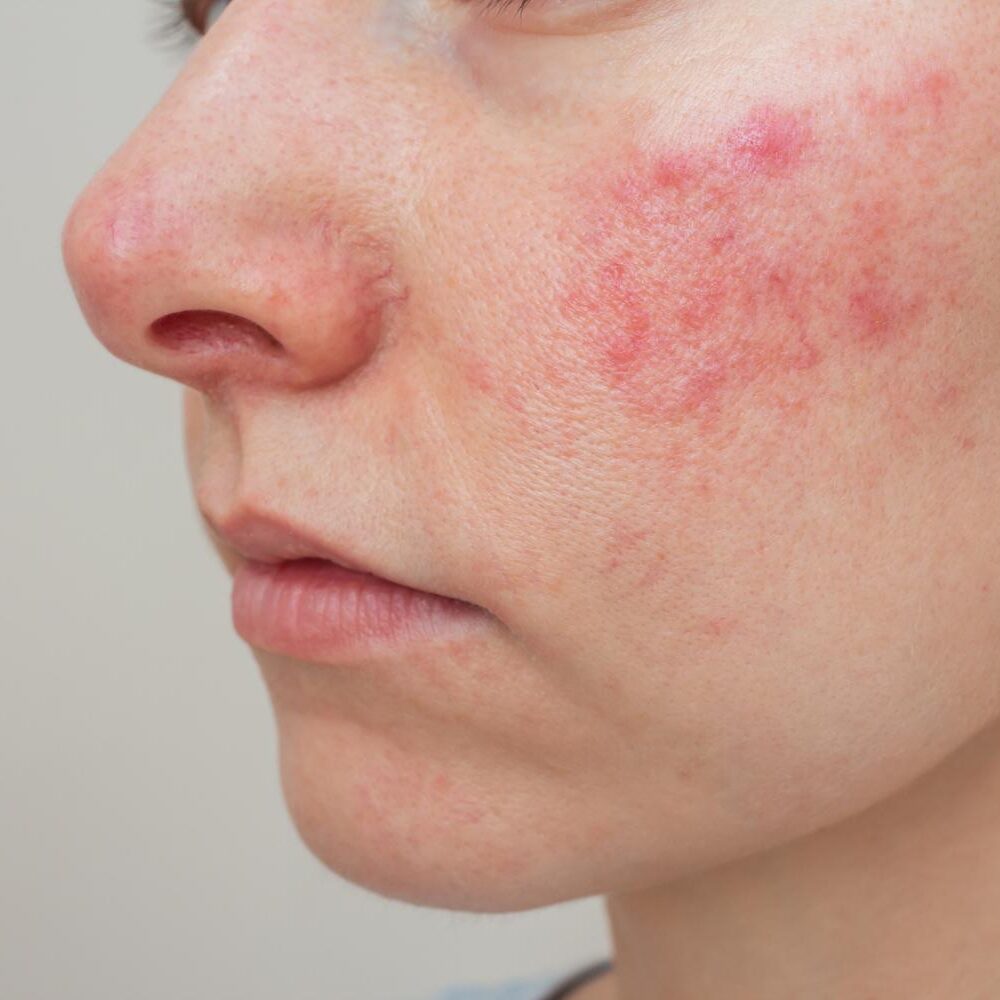
MGD often develops through a combination of gland blockage, altered oil quality, eyelid inflammation and changes to the ocular surface.
Factors that may contribute include
Incomplete blinking matters because the eyelids need to close fully to express oil from the glands. Recent clinical evidence links a higher proportion of incomplete blinks with poorer tear stability, reduced lipid layer thickness and worse meibomian gland findings.
These conditions overlap, but they are not identical. MGD affects the oil-producing glands within the eyelids. Dry eye disease describes a loss of tear-film balance that causes symptoms, tear instability and possible ocular surface damage. Blepharitis is inflammation of the eyelid margins. Posterior blepharitis commonly involves the meibomian glands.
You may have one condition or a combination. Our assessment identifies which parts of the eyelids and tear film need treatment, helping us avoid a one-size-fits-all approach.
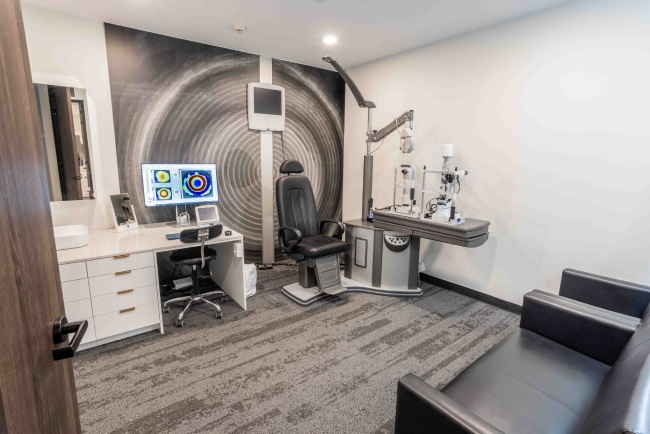
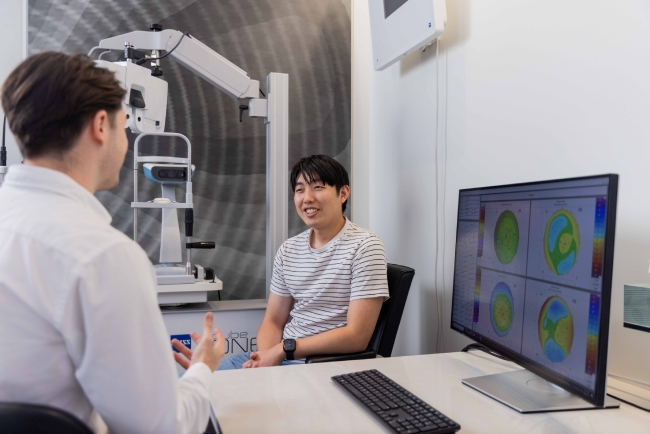
An MGD assessment begins with your symptoms, medical and ocular history, medication use, screen habits, contact lens wear and previous treatments. Your optometrist then examines the eyelids, gland openings, tear film and surface of the eyes.
Depending on your findings, the assessment may include:
There is no single test for MGD. Your optometrist combines your symptoms with the results of the eyelid, gland and tear checks.
Treatment aims to help the oil flow more freely, slow tear evaporation and settle eyelid inflammation. The best option depends on how blocked or damaged the glands are and whether another condition is contributing. MGD often needs ongoing care, even after your eyes begin to feel better.
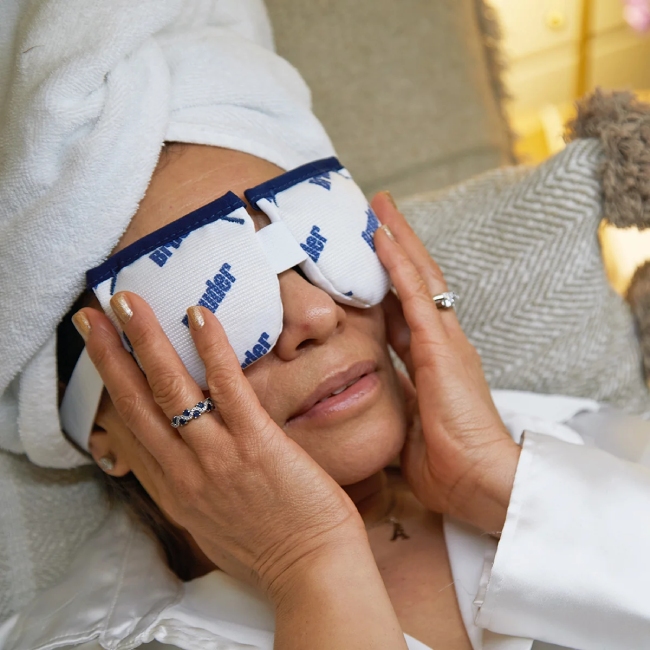
Your personalised plan may include:
A warm compress needs to stay warm long enough to soften the oil without becoming too hot. Purpose-made eye masks usually hold their temperature better than a face washer. Studies show that suitable warming devices can improve the oily layer of the tears, but regular use and correct technique are important.8 Your optometrist can show you a safe technique.
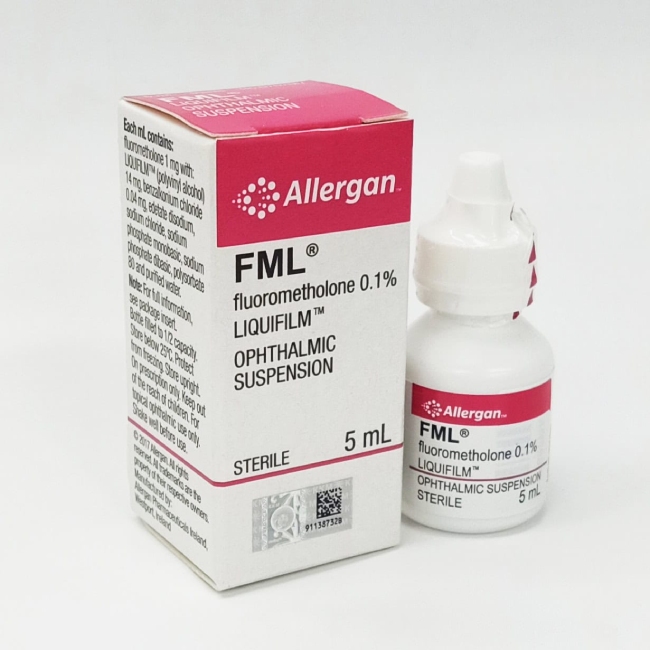
When inflammation, infection risk or ocular rosacea contributes to MGD, treatment may include prescription eye drops, ointments or oral medication. The choice and duration depend on your examination findings, general health and current medicines. These treatments require clinical supervision.
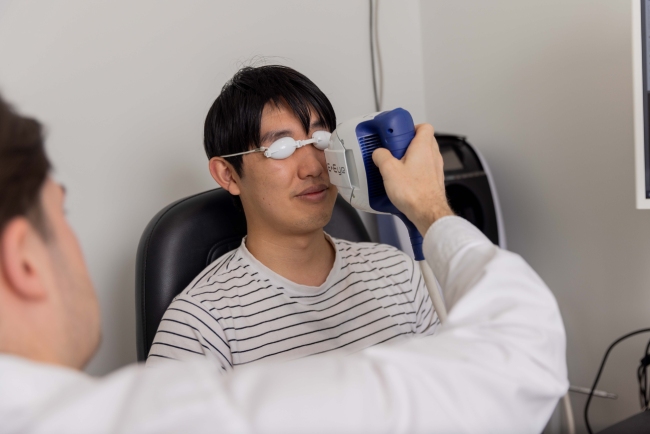
For persistent or more advanced MGD, your optometrist may recommend in-office dry eye treatments. Options available through Innovative Eye Care may include controlled eyelid warming, manual meibomian gland expression and intense pulsed light treatment for suitable patients.
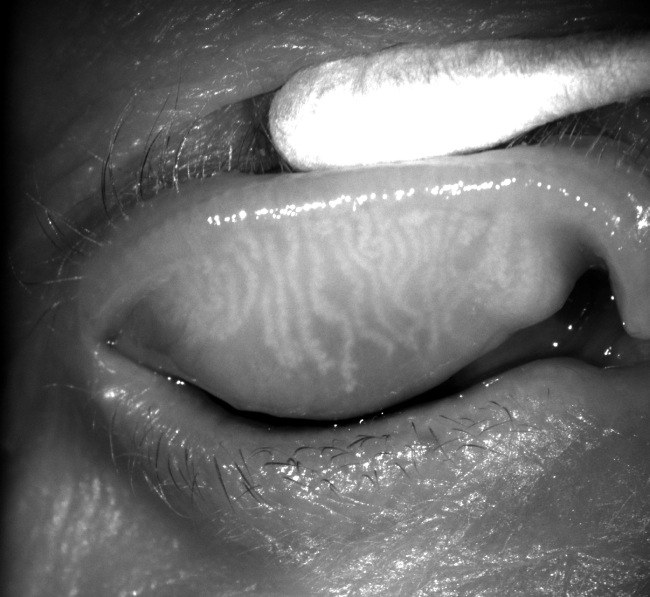
Blocked glands may work better once the thick oil and inflammation are treated. However, glands that have become very short or disappeared are unlikely to grow back fully. Finding MGD early may help protect the glands that remain. Treatment may still improve comfort even when some gland loss has already occurred.
Find your nearest practice on our Adelaide and Henley Beach locations page or contact Innovative Eye Care to arrange an appointment.
Book an assessment if your eyes often feel dry, gritty or watery, if your vision keeps going blurry, or if contact lenses have become uncomfortable. You should also book if eye drops and warm compresses are not helping. Seek urgent eye care if you have sudden vision loss, severe pain, strong light sensitivity, an eye injury, a chemical splash, or a very red eye with reduced vision.