

Book Online
Please choose which location you would like to make an appointment for.
Myopia in children, also called short-sightedness, causes blurred distance vision. Your child may see clearly up close, but struggle to see the board at school, road signs, sport, subtitles, or faces across a room.
At Innovative Eye Care, we provide children’s myopia assessments at our Adelaide and Henley Beach practices. We check your child’s vision, prescription, eye health, visual development, and eye growth to understand whether myopia is present and whether it is changing.

Myopia occurs when the eye focuses light in front of the retina instead of directly on it. In many children, this happens because the eye grows too long from front to back.1
A child with myopia can usually see well up close, but distance vision is blurred. This can affect school, sport, confidence, and day-to-day tasks.
If you want a broader explanation of myopia, symptoms, causes, and treatment options, visit our Myopia page
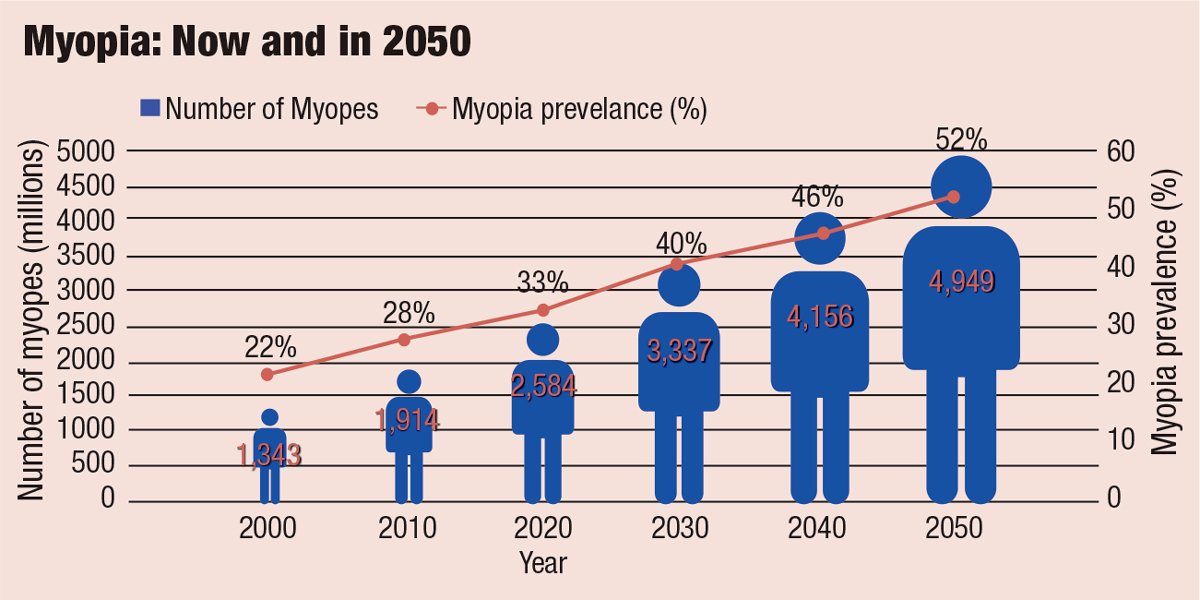
Myopia is becoming more common in children around the world. Global modelling suggests that almost half of the world’s population may be myopic by 2050.2
This rise is thought to be linked to a mix of genetics, education demands, near work, reduced outdoor time, and lifestyle changes.1,3
Children are also developing myopia at younger ages. This matters because younger children have more years of eye growth ahead of them. The earlier myopia starts, the more time it has to progress.2
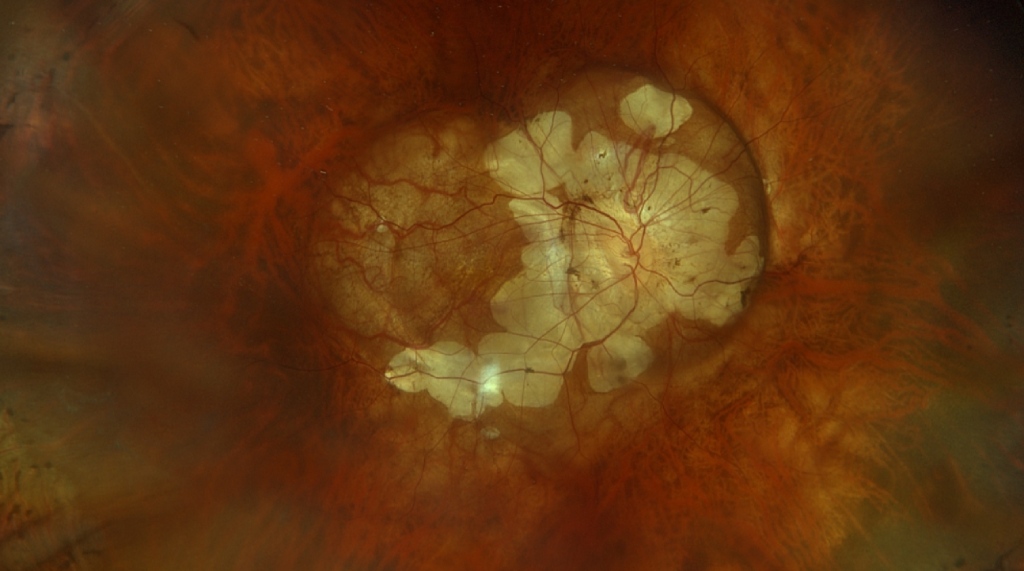
Myopia is more than needing glasses.
Low levels of myopia can cause blurry distance vision. Higher levels of myopia are linked with increased lifetime risk of eye disease, including myopic macular degeneration, retinal detachment, glaucoma, and cataract.4
This does not mean every child with myopia will develop eye disease. It means early detection and regular monitoring are important.
The aim is to:
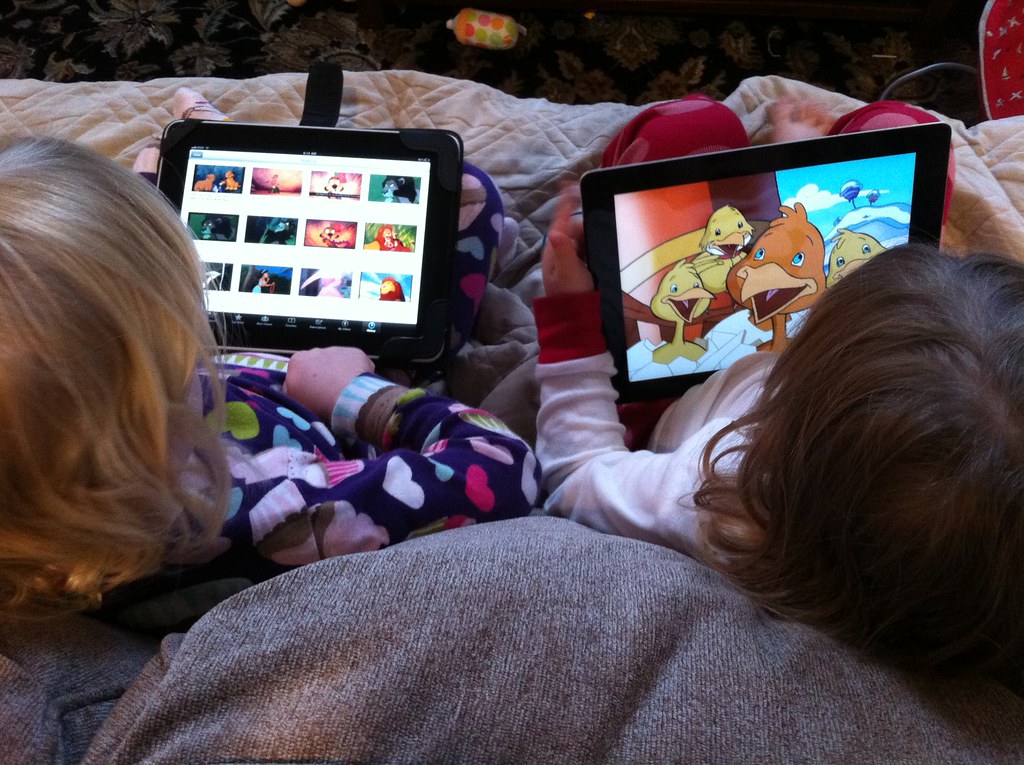
Myopia usually develops from a mix of inherited and lifestyle factors.
Your child may have a higher risk if:
Research suggests that more outdoor time can reduce the risk of children developing myopia.5,6 Once myopia has already started, outdoor time is still helpful, but regular monitoring is needed.

Children do not always complain about blurry vision. Many assume their vision is normal.
Common signs include:
Sometimes the signs are subtle. A child may still read well, perform well at school, and only struggle with distance tasks.
We recommend an eye test if your child:
A school vision screening can be useful, but it is not the same as a comprehensive children’s eye examination. A full assessment looks at vision, focusing, eye teaming, prescription, eye health, and eye growth.
Learn more about Children’s Vision
At Innovative Eye Care, we make children’s eye tests calm, clear, and age appropriate. The examination is adjusted to your child’s age, attention, confidence, and symptoms.
A children’s myopia assessment may include:

We check how clearly your child can see letters, pictures, or symbols at a distance. This helps identify whether their distance vision is reduced and whether myopia may be present.
We assess how your child sees up close. Children with myopia often see well at near, but near testing still helps us understand overall visual function.
We measure whether your child needs glasses and how much correction is required. This may involve asking your child which lenses look clearer, as well as using instruments that estimate the prescription objectively.
In some children, eye drops may be recommended to relax the focusing system and give a more accurate prescription. This is called cycloplegic refraction and can be useful when the focusing system is very active.1
Children use their focusing system heavily for reading, schoolwork, and screens. We assess whether the eyes can focus accurately and comfortably.
We check how well the two eyes work together. Eye teaming problems can cause eyestrain, headaches, double vision, reading discomfort, or reduced confidence with near tasks.
We assess how accurately the eyes move and track. This can be relevant for reading, copying from the board, sport, and classroom tasks.
We examine the front and back of the eyes to check ocular health. This helps rule out other causes of blurred vision and provides a baseline for future care.
Axial length measures the length of the eye from front to back. This is important in childhood myopia because progression is closely linked with eye growth.1
Measuring axial length helps us monitor whether your child’s eyes are growing faster than expected, even before large prescription changes are noticed.
Learn more about Optical Biometry
In some children, we may measure the shape of the front surface of the eye. This can be useful if vision is changing quickly, astigmatism is present, contact lenses are being considered, or we need to rule out other causes of blur.
We ask about your child’s school demands, screen use, reading habits, outdoor time, sport, hobbies, and family history of myopia. These details help us understand your child’s risk profile.
After the examination, we explain the results in clear language.
We will discuss:
If your child has myopia, we may recommend monitoring every 3 to 6 months. Some children need closer review, especially if they are younger, progressing quickly, or starting treatment.
You can support your child’s vision by encouraging healthy visual habits.
Helpful steps include:
Outdoor time can help reduce the risk of developing myopia, but it does not replace an eye test or treatment advice if myopia is already progressing.5,6
If your child has myopia, especially if it is progressing, we may discuss myopia control.
Myopia control aims to slow the rate of prescription change and eye growth. Options may include specialised myopia control spectacle lenses, orthokeratology, myopia control contact lenses, or low-dose atropine eye drops.1
This page is focused on children’s myopia assessment. You can learn more about treatment options here:
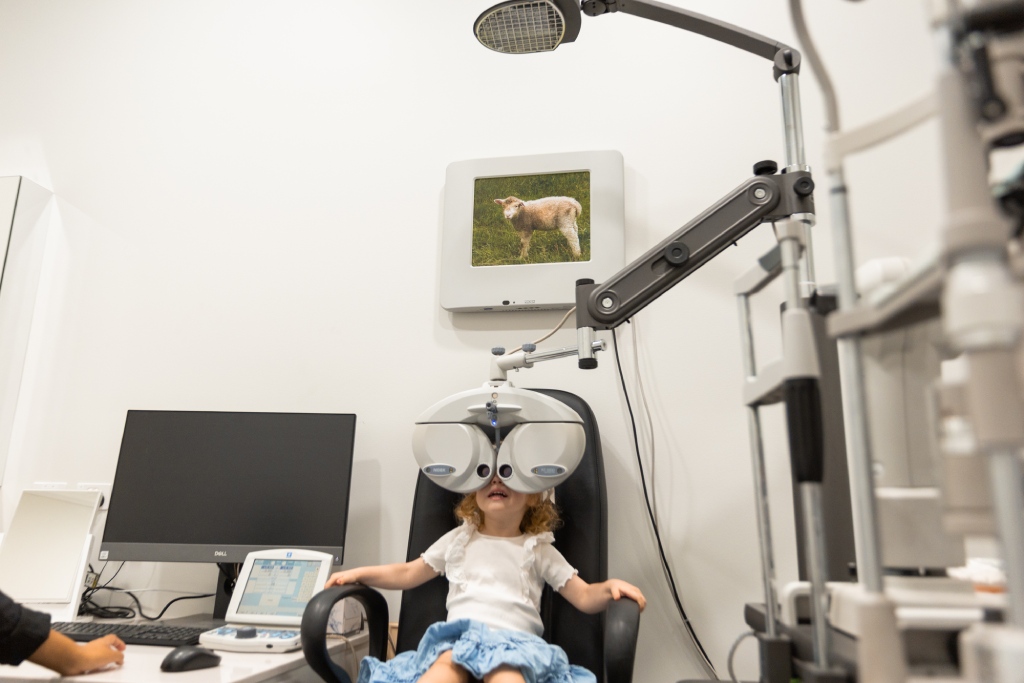
At Innovative Eye Care, we provide children’s myopia assessments in Adelaide and Henley Beach.
We assess your child’s vision, prescription, eye health, visual function, lifestyle risk factors, and eye growth. We then explain the findings clearly and give practical recommendations for school, home, sport, glasses, monitoring, and treatment if needed.
Our goals are:
Book your appointment now for personalised eye care tailored just for you.