

Book Online
Please choose which location you would like to make an appointment for.
A red eye can have many different causes. Some are mild and settle quickly. Others need urgent treatment to protect your eyesight.
Redness may come from the surface of the eye, the cornea, the iris or the deeper tissues surrounding the eye. Because many conditions can look similar, an eye examination is often the safest way to find the cause.
At Innovative Eye Care, our therapeutically endorsed optometrists diagnose and manage a wide range of red, sore and inflamed eye conditions at our Adelaide and Henley Beach practices.
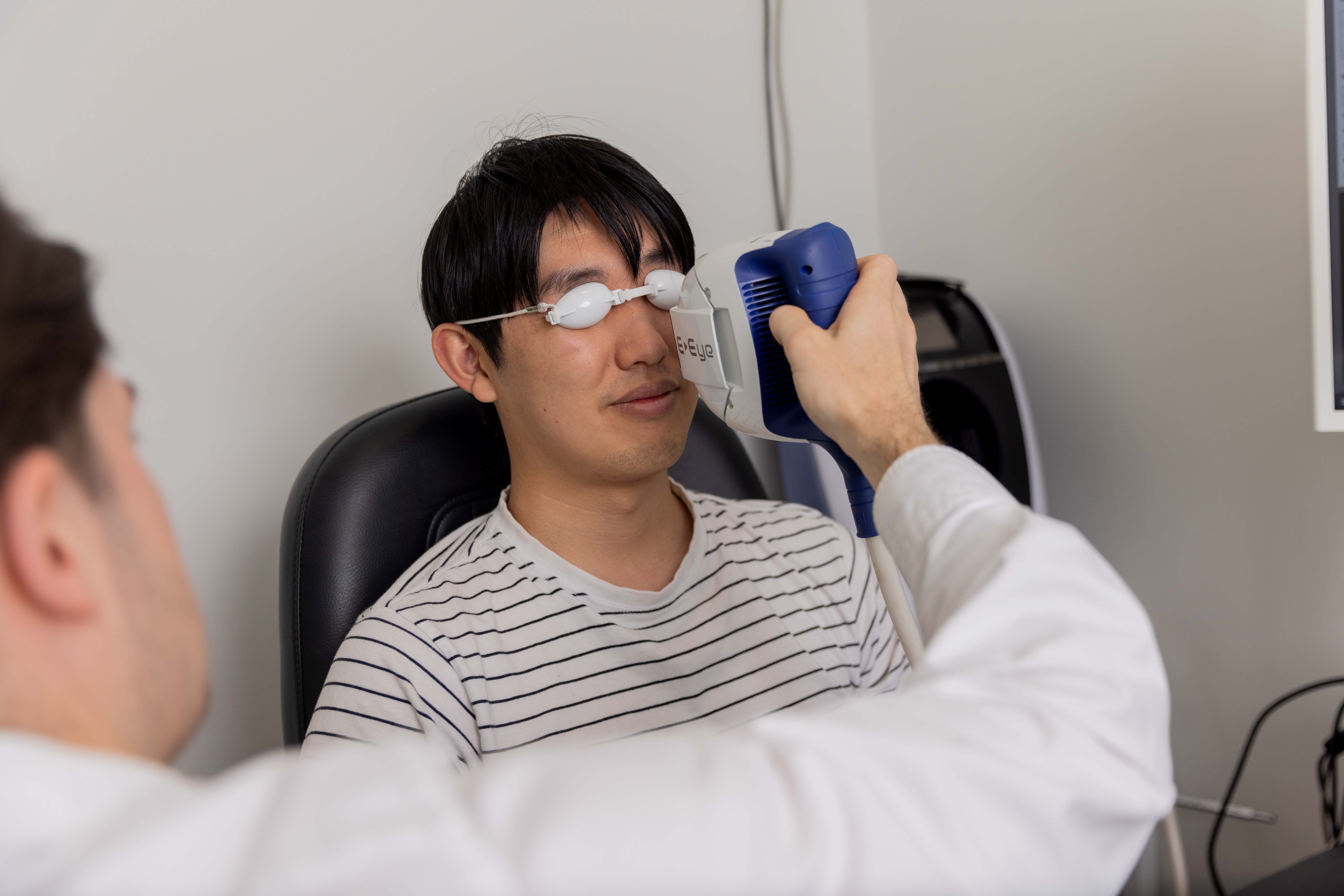
The eye can become red when the small blood vessels on or around its surface widen. This may happen because of infection, allergy, dryness, inflammation, injury or irritation.
Common causes of red eyes include:
Less commonly, a red eye may be caused by a serious condition such as acute angle-closure glaucoma or an infection inside the eye.
Pain, light sensitivity, reduced vision and significant discharge can help distinguish more serious conditions from mild surface irritation. However, symptoms can overlap, so appearance alone may not reveal the cause

Arrange an urgent eye examination if your red eye is accompanied by:
Severe pain, light sensitivity and reduced vision are important warning signs because they may occur with keratitis, uveitis and other potentially sight-threatening conditions.
Visit our Eye Emergencies page for more information about symptoms requiring urgent care.
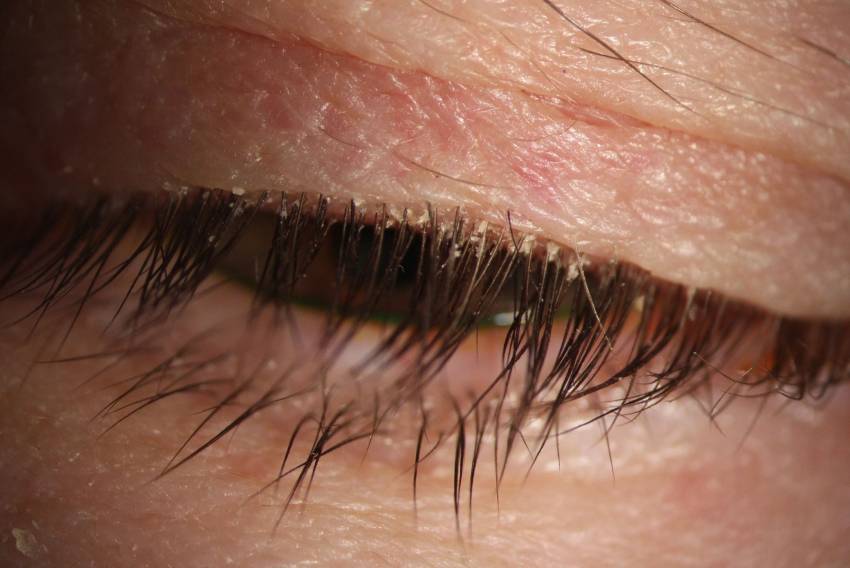
Red eyes are a symptom rather than a single condition. Your eyes may also feel gritty, watery, itchy, painful or sensitive to light.
The pattern of redness and your other symptoms can provide clues about the cause. For example, itching is commonly linked with allergy, while pain and light sensitivity may suggest inflammation involving the cornea or the inside of the eye.
A red eye assessment allows your optometrist to examine the different structures of your eye and determine whether treatment is required.
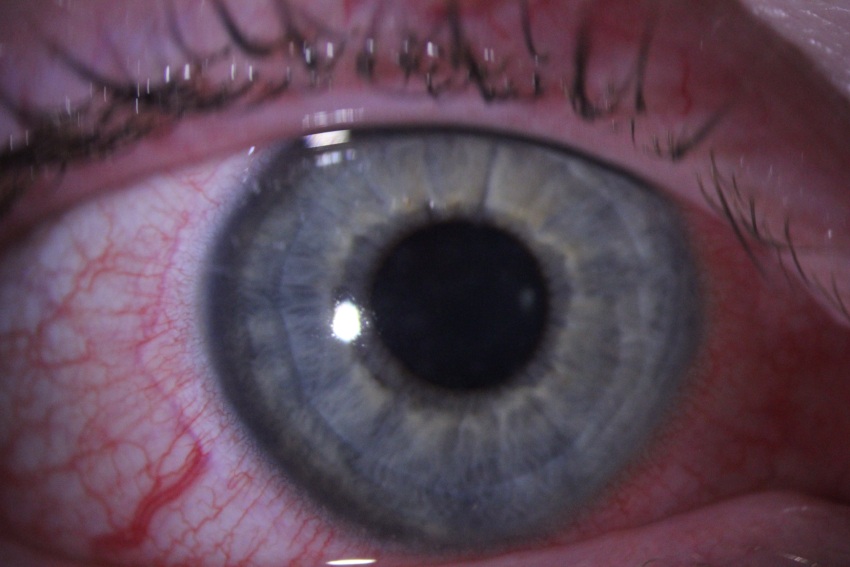
Conjunctivitis is inflammation of the conjunctiva, the thin tissue covering the white part of the eye and the inside of the eyelids.
It may be caused by:
Viral conjunctivitis often causes watery eyes and may occur with cold or flu-like symptoms. Bacterial conjunctivitis is more likely to cause a sticky or pus-like discharge. Allergic conjunctivitis commonly affects both eyes and usually causes itching (Azari and Barney, 2013).
Antibiotic eye drops only treat bacterial infections. They do not treat viral or allergic conjunctivitis. An eye examination can help determine which type you have and whether treatment is needed.
Learn more about Conjunctivitis.
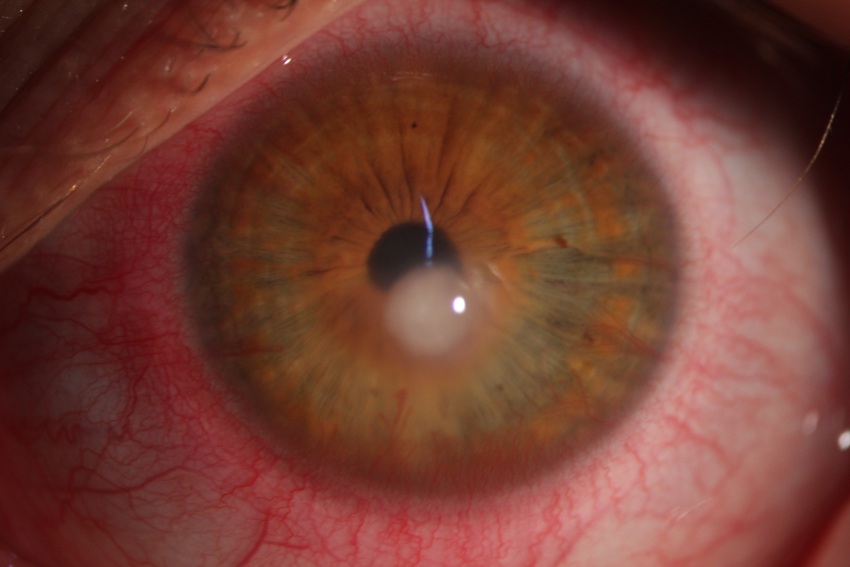
Keratitis is inflammation of the cornea, the clear window at the front of the eye. It may be caused by bacteria, viruses, fungi, parasites, injury or other forms of inflammation.
Symptoms may include:
Infectious keratitis can damage the cornea and may cause permanent scarring or vision loss without prompt treatment. Contact lens wear, eye injuries and existing eye surface disease are recognised risk factors.
Remove your contact lenses and arrange an urgent eye examination if you develop a painful red eye while wearing contact lenses. Do not restart lens wear until your eye care practitioner advises that it is safe.
Learn more about Keratitis.
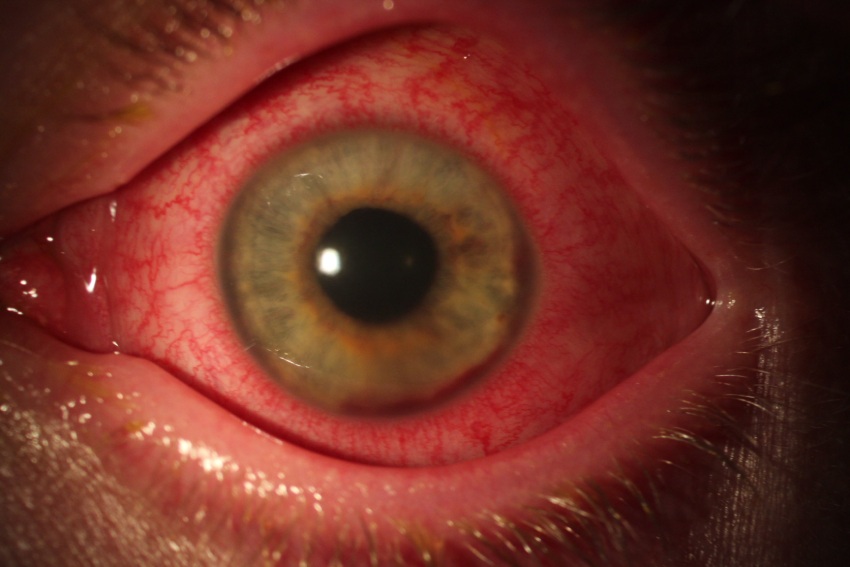
Uveitis is inflammation inside the eye. Iritis, also called anterior uveitis, affects the iris and nearby tissues at the front of the eye.
Common symptoms include:
Uveitis may occur without a clear cause. It can also be associated with infection, injury or inflammatory conditions affecting other parts of the body.
Early diagnosis matters because untreated or recurring uveitis can lead to complications such as glaucoma, cataract, retinal swelling and permanent vision loss.
Learn more about Iritis and Anterior Uveitis.
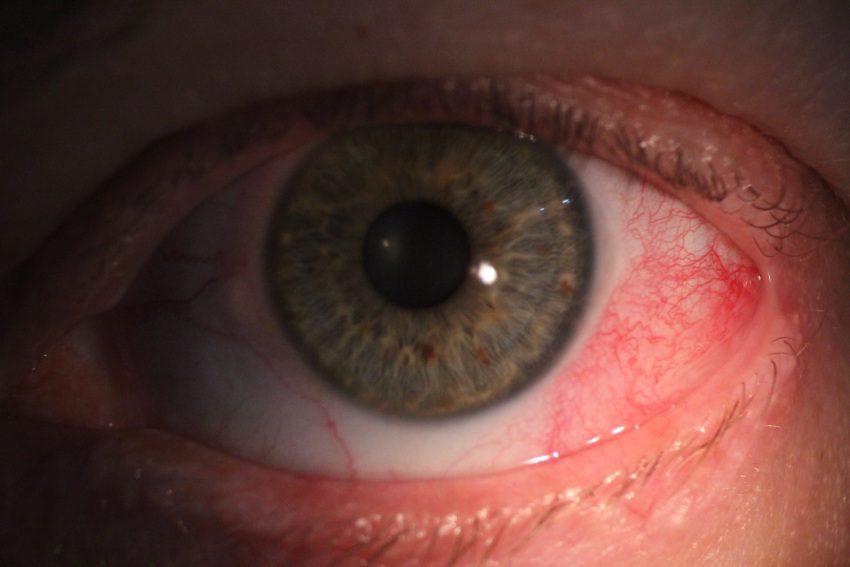
Episcleritis is inflammation of the thin tissue between the conjunctiva and the white outer wall of the eye.
It often causes a bright red area in one part of the eye. The eye may feel mildly tender or irritated, but vision usually remains clear.
Episcleritis is generally less painful and less serious than scleritis. Scleritis affects deeper tissues and can cause severe, persistent pain. A proper examination is important because the two conditions can initially appear similar.
Most episodes of episcleritis settle without causing permanent damage. Repeated episodes may sometimes be associated with an underlying inflammatory condition and may require further investigation.
Learn more about Episcleritis and Scleritis.
Dry eye disease is another common cause of red, gritty, burning or watery eyes. Symptoms may become worse with prolonged screen use, air conditioning, wind or contact lens wear.
Dry eye disease is different from conjunctivitis, although the symptoms can overlap. A detailed assessment can examine your tear film, eyelids, oil glands and eye surface to determine whether dryness is contributing to the redness.
Visit our Dry Eye Conditions hub or learn more about Dry Eye Disease.
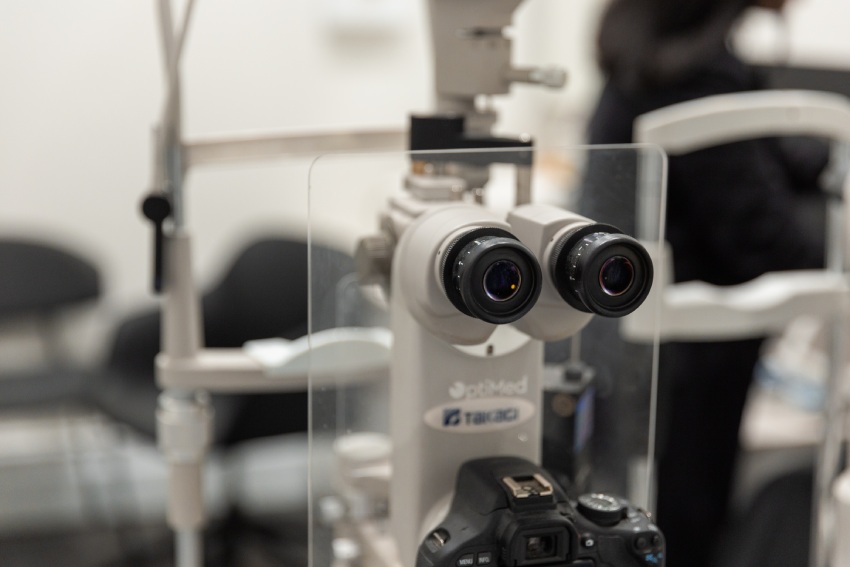
Your optometrist will ask when the redness started and whether you have pain, discharge, itching, light sensitivity or changes to your vision.
Your examination may include:
Some conditions can be diagnosed during the initial examination. More severe infections or recurring inflammation may require additional testing, medication, close review or referral to an ophthalmologist.
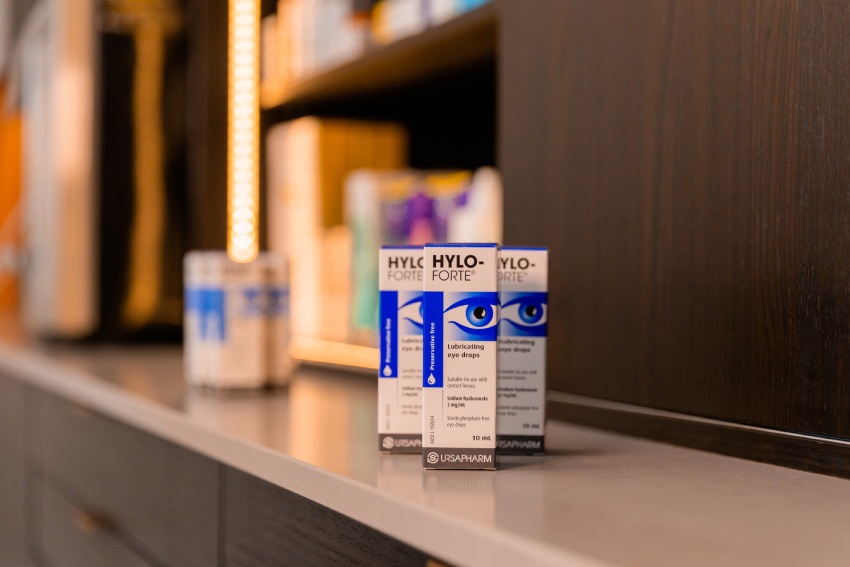
Treatment depends on the cause. It may include:
Do not use old prescription drops or someone else’s medication. Some eye drops, particularly steroid drops, can worsen certain infections or delay healing when used without an accurate diagnosis.

Not every red eye can be prevented, but you can reduce your risk by:
Good contact lens hygiene is particularly important because poor lens care and exposure to water can increase the risk of microbial keratitis.
Our optometrists provide assessment and treatment for red eyes at our Adelaide and Henley Beach practices.
We can help determine whether your symptoms are caused by conjunctivitis, dry eye disease, keratitis, iritis, episcleritis or another eye condition. Where required, we can commence treatment, monitor your recovery or arrange an urgent ophthalmology referral.
Book an appointment for a red eye assessment.
For sudden vision loss, severe pain, chemical exposure or an eye injury, contact us promptly and tell our team that you require urgent eye care.